
Bishan 2.0 is Coming: How Will Its Homes and Amenities Change from Here On?
- Stanley Lim
- 6 min read
- Blog
- 11 Jun 2026
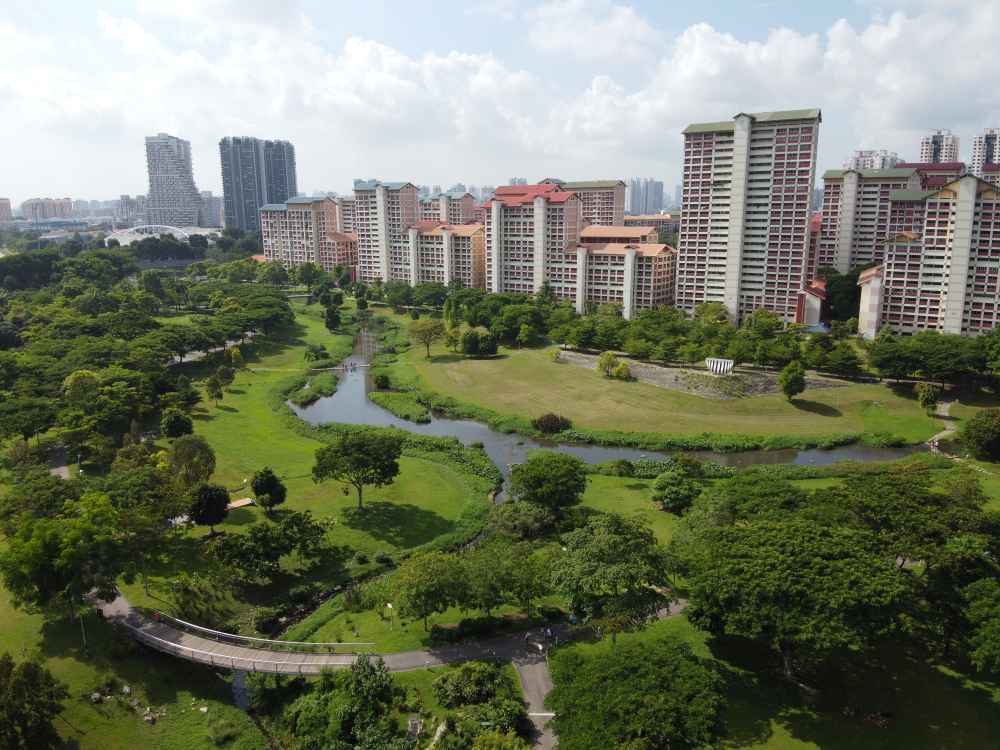
Hard as it may be to imagine, Bishan was not always the vibrant township that it is today. Instead of modern homes, it was better known for the sprawling burial grounds that dominated much of its landscape long before the first HDB blocks were built.
Up till the late 1970s, Peck San Theng, which was one of Singapore’s largest Chinese cemeteries at the time, occupied much of Bishan. Though it once spanned an area equivalent to 180 football fields, little remains of its former expanse, save for a smaller Peck San Theng columbarium near Raffles Institution and a legacy that is still reflected in Bishan’s name today.
Bishan’s history: From haunting grounds to thriving heartland
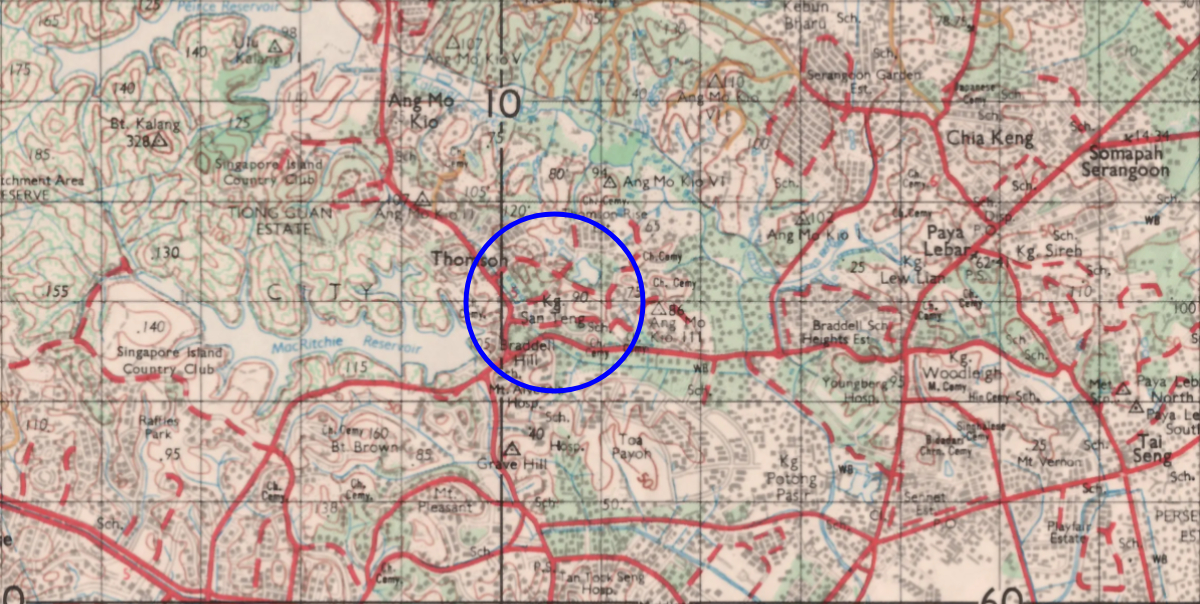
As a nod to the past, Bishan takes its name from Peck San Theng itself, with “Bi-shan” (碧山) being the Cantonese-to-Mandarin rendering of “Peck San”, in turn translating into “Jade Hill”. Today, it remains a poetic reminder of a historical burial ground of over 100,000 graves, and also a 2,000-strong village community known as Kampong San Teng.
Alongside Kampong San Teng, Soon Hock Village was one of Bishan’s earlier housing communities, standing long before the first HDB blocks were built there. In much the same way that Peck San shaped Bishan’s moniker, Soon Hock – or more specifically, the nearby road of the same name – is thought to have inspired Shunfu’s. Located within the grounds of Kampong San Theng, it eventually gave way to what is now Shunfu estate, where the Sin Ming and Jalan Pemimpin industrial estates are situated.
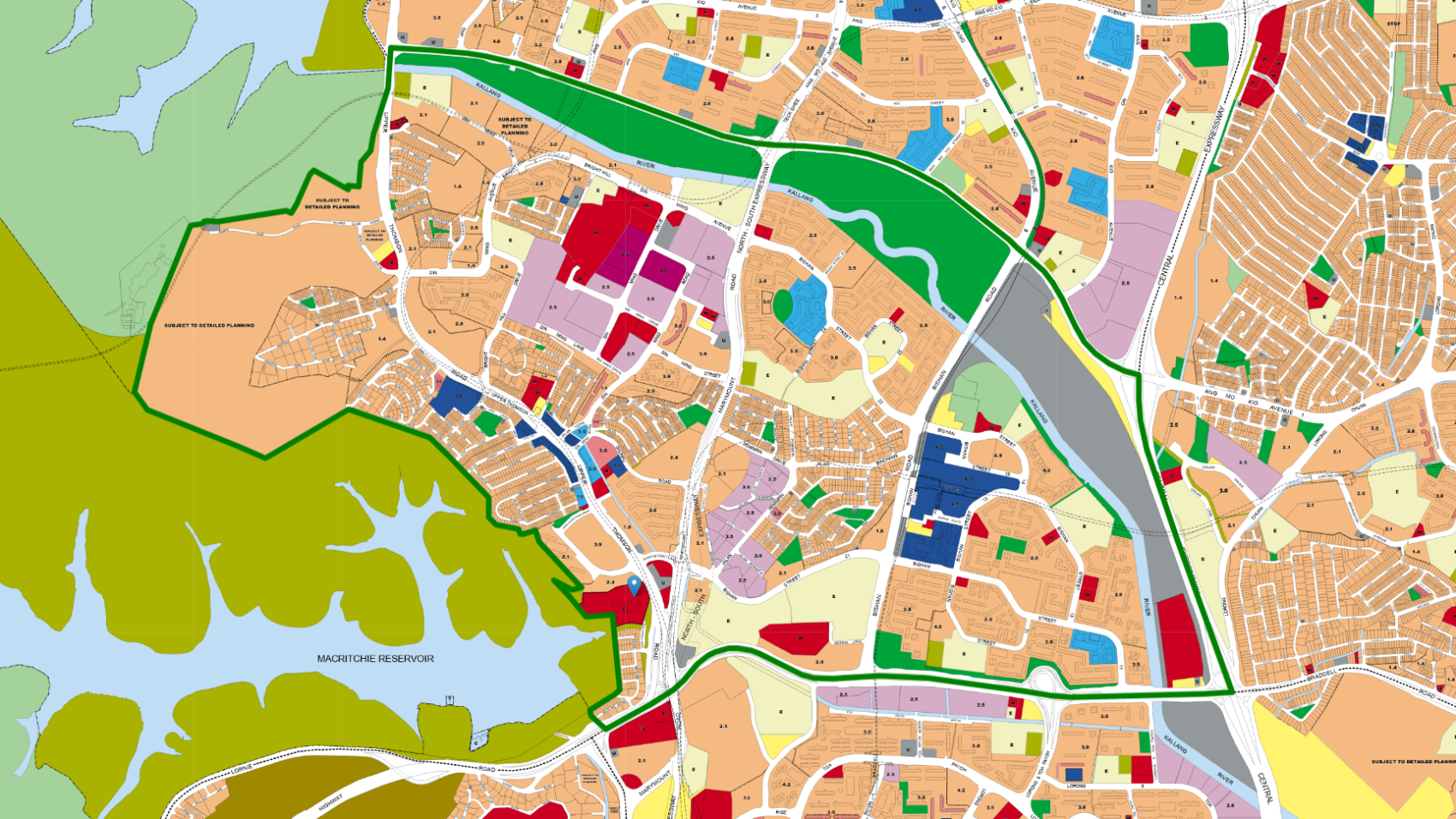
Given their roles as early settlements in the area, both Kampong San Teng and Soon Hock Village can, in a sense, be seen as forerunners to the modern housing estates that make up Bishan today. These residential areas are located throughout the three distinct subzones that make up the entire planning area, namely Upper Thomson, Marymount, and Bishan East.
And although they all fall within Bishan, each subzone has its own unique character. For example, Upper Thomson is known for its low-density private homes and landed enclaves, while Marymount has a quieter feel due to its proximity to green spaces, such as MacRitchie Reservoir. Most notably, Bishan East is anchored by a vibrant town centre and Bishan MRT station, which have traditionally bolstered its appeal to homebuyers.
What Makes Bishan a Popular Heartland Town?
More often than not, Bishan’s appeal is chalked up to its convenience, and there is good reason for that. Its central location, strong transport links and established amenities make it one of the most practical and family-friendly heartland towns in Singapore.
This accessibility can be traced all the way back to 1989 when Bishan Bus Interchange was opened for service. As one of the first batch of bus interchanges to integrate with an MRT station, it created seamless convenience for residents and set the stage for integrated transport hubs across other towns in Singapore.
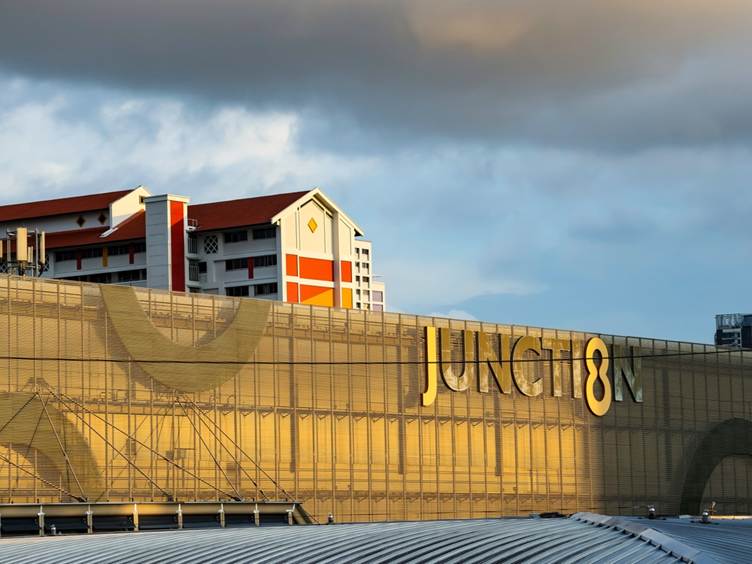
Subsequently, when Junction 8 opened in 1996, it further cemented Bishan’s status as a self-contained town. The mall quickly became one of Singapore’s most established suburban retail hubs, offering residents everything from shopping and dining to banking and services within walking distance.
Another pivotal moment came in 2009 with the opening of the Circle Line, which transformed Bishan into a key interchange station by connecting the existing North-South Line with a new end-to-end route. This enhanced connectivity significantly enhanced Bishan’s accessibility, allowing residents to travel to all corners of Singapore more conveniently.
For homebuyers, the added layer of connectivity also reinforced Bishan’s appeal, especially amongst those who value efficient travel links and seamless access to the rest of Singapore.
Likewise, schools are another major factor drawing homebuyers to Bishan. With prominent names like Catholic High School, Raffles Institution, and Ai Tong School in the area, this has helped supported homebuying demand from families who wish to live nearby.
Bishan’s next chapter: URA’s master plan and upcoming housing developments
Under the Urban Redevelopment Authority’s (URA) Master Plan, Bishan is set to take on a larger role as Singapore’s newest sub-regional business hub. This long-term vision, known as “Bishan 2.0”, will introduce more than two million sq ft of new commercial and office space around Junction 8 and the nearby transport nodes, bringing the area to a scale comparable with Paya Lebar Central.
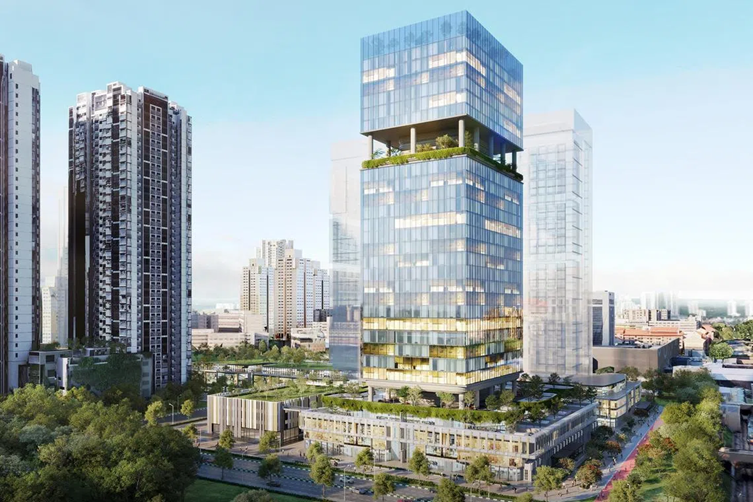
The transformation is intended to bring more jobs closer to homes, with corporate offices and selected government agencies expected to be relocated to the area. This could strengthen Bishan’s position as both a residential town and an employment node.
To support this increase in daily activity, the town centre is also slated for several infrastructure and lifestyle upgrades. These include a new polyclinic, a potential hawker centre and a modernised air-conditioned bus interchange. Bishan Place, the area directly behind Junction 8, is also planned to be converted into a landscaped pedestrian mall, creating more open community spaces, skyrise greenery and a more walkable, car-lite environment.
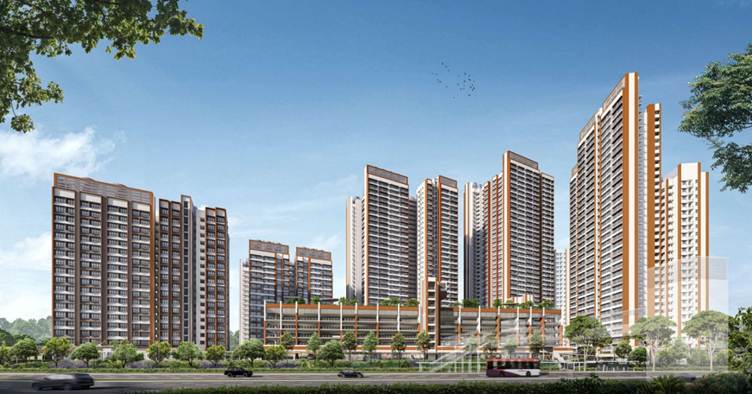
Housing supply in and around Bishan is also set to grow, starting with public housing. The June 2026 BTO sales exercise will introduce the Lakeview flats along Upper Thomson Road, providing around 1,210 new homes across 2-room Flexi and 4-room flat types. This marks the first new public housing in the area in over 40 years. Given its location near Marymount MRT station and views of MacRitchie Reservoir, this could emerge as the most popular BTO launch of June 2026.
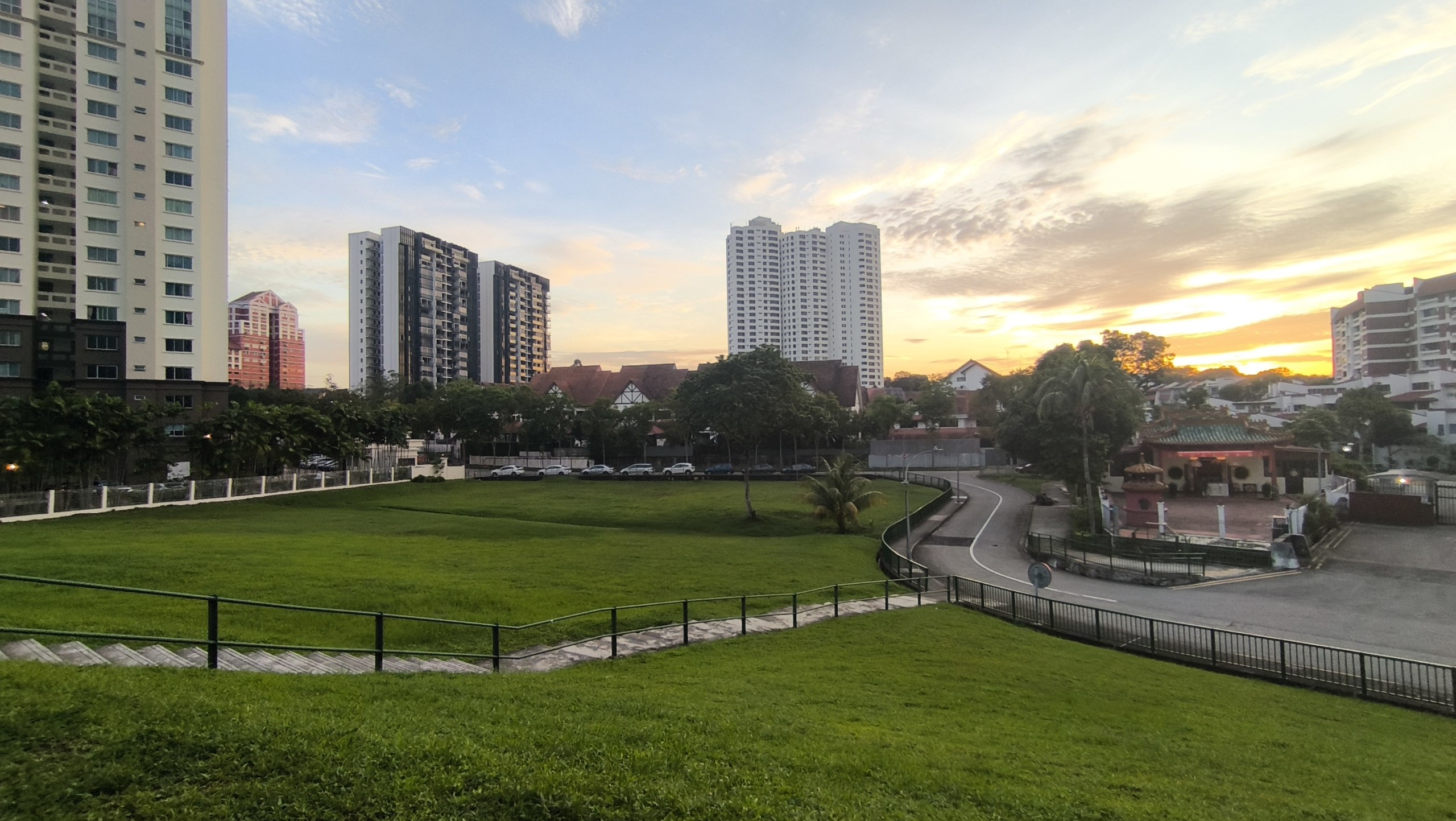
Private housing options are also expected to come through the Government Land Sales (GLS) programme. One site on the 1H 2026 Confirmed List is the residential plot at Lorong Puntong, located near Country Grandeur condominium and Bright Hill MRT station. With an estimated yield of around 140 units, the site is likely to be developed into a low-density boutique project. Its proximity to nature parks and Ai Tong School could appeal to buyers seeking a quieter residential setting.
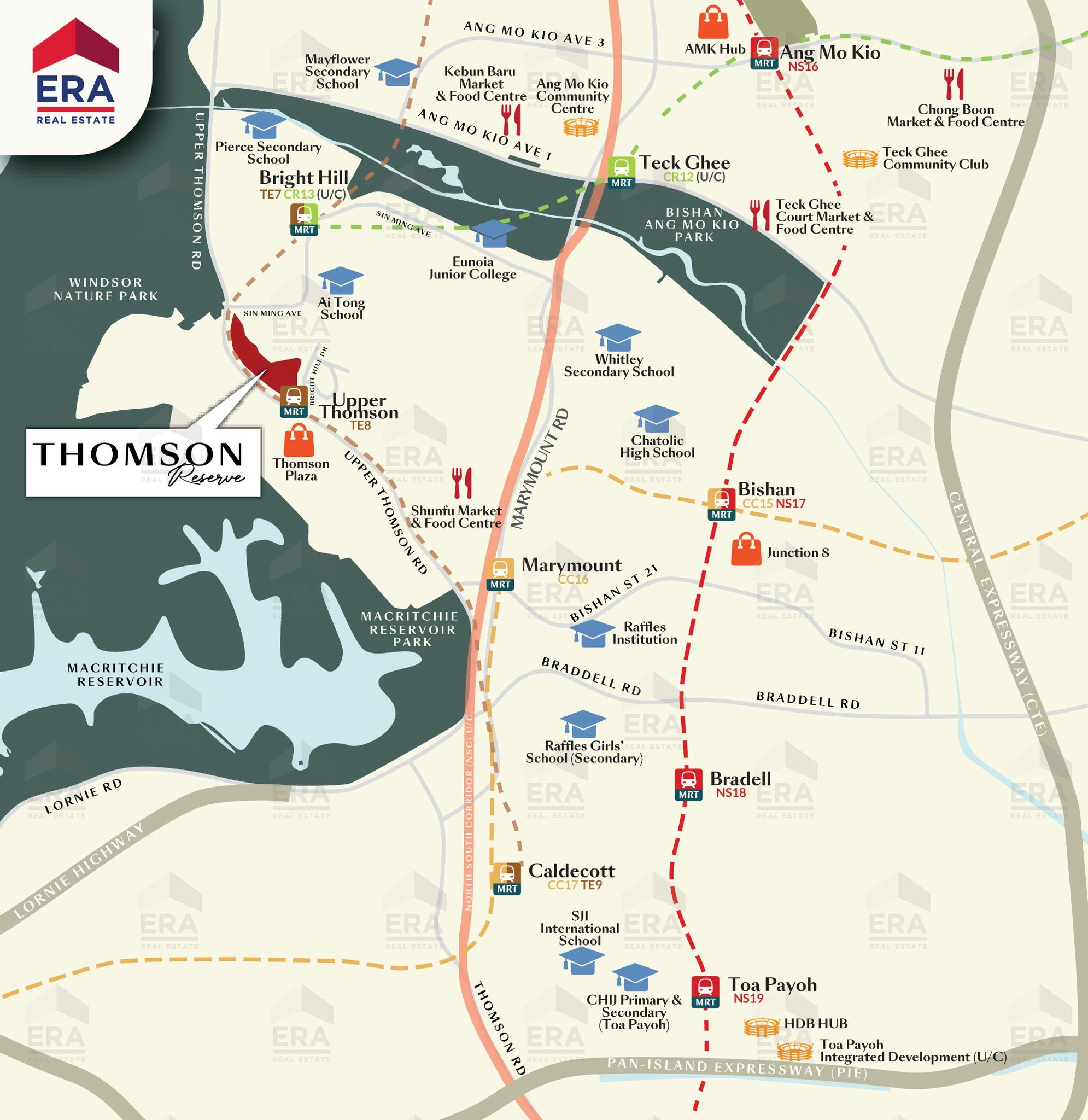
For buyers looking at upcoming private residential launches, the key project in Bishan this year is Thomson Reserve. Located along Bright Hill Drive at the former Thomson View Residences en bloc site, the development is a joint venture by UOL, SingLand and CapitaLand. It is expected to yield around 1,240 homes and will be within walking distance of Upper Thomson MRT station and Thomson Plaza.
So, with all these plans underway, what does this all mean for buyers today? For starters, there will be more housing options in and around Bishan’s town centre, from new BTO flats to upcoming private developments. As such, buyers will soon have more options to sink their roots in Bishan, depending on their budget, eligibility and housing needs.
Needless to say, this takes Bishan another step closer to its new identity as a thriving sub-regional centre –one where buying a home is anything but a grave investment.
I confirm that I have read theprivacy policy and allow my information to be shared with this agent who may contact me later.
