
Living in the Central Business District is not new and it’s going to get better. Here’s why.
- Egan Mah Jixiang
- 9 min read
- Blog
- 8 Jan 2026
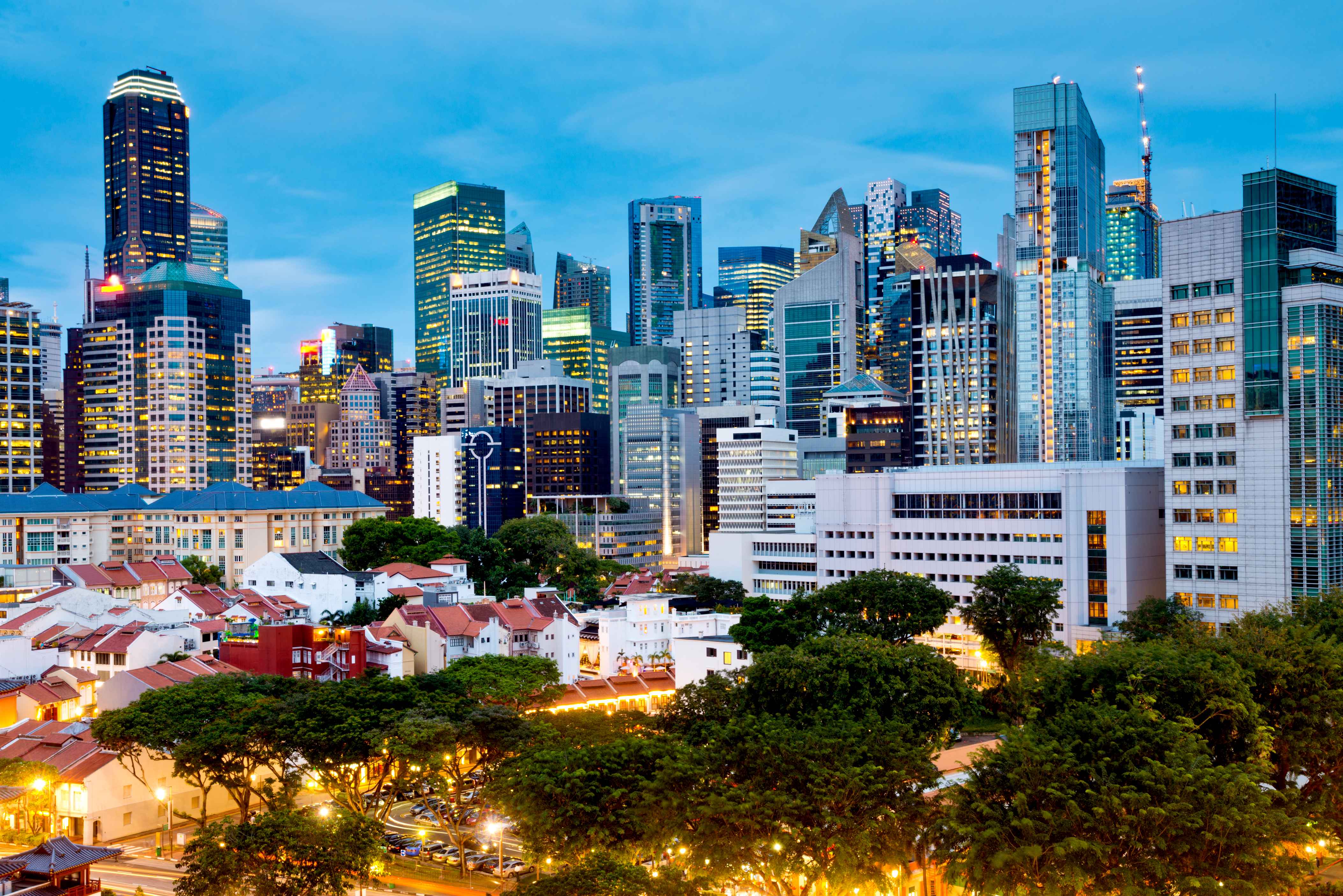
Singapore’s Central Area was among the first areas to see the introduction of homes. In the 1970s, HDB introduced mixed-use developments such as Tanjong Pagar Plaza, Bras Basah Complex, and People’s Park (Chinatown). Later, more HDBs were added, including those at Everton Park and, most recently, Pinnacle@Duxton (completed in 2009). These places were highly sought after for their central locations and amenities that met residents’ needs.
However, over the past two decades, Singapore’s Central Business District (CBD) has evolved from a primarily office-focused area into a more livable space. Initially, it was home to mainly large offices, only alive between 9 and 6 on weekdays.
Recently, the CBD has seen a shift toward residential and mixed-use developments. The Urban Redevelopment Authority (URA), through its 2014 and 2019 Masterplans and the 2019 CBD Incentive Scheme, has introduced more parks, community spaces, and homes. Developers are encouraged to convert older office buildings into mixed-use developments to increase the resident population. This initiative aims to increase the residential population and diversify the CBD's amenities, offering developers a bonus gross floor area as an incentive. In February 2025, URA announced that the CBD Incentive Scheme had been extended for another five years, until 2030.
Furthermore, beyond a more diverse mix of land uses in the CBD, developers have recently introduced a wider range of unit sizes and configurations to meet different buyer profiles.
“We can make our CBD not just a place to work, but also an attractive and vibrant place to live and play.” – Lawrence Wong, 2019
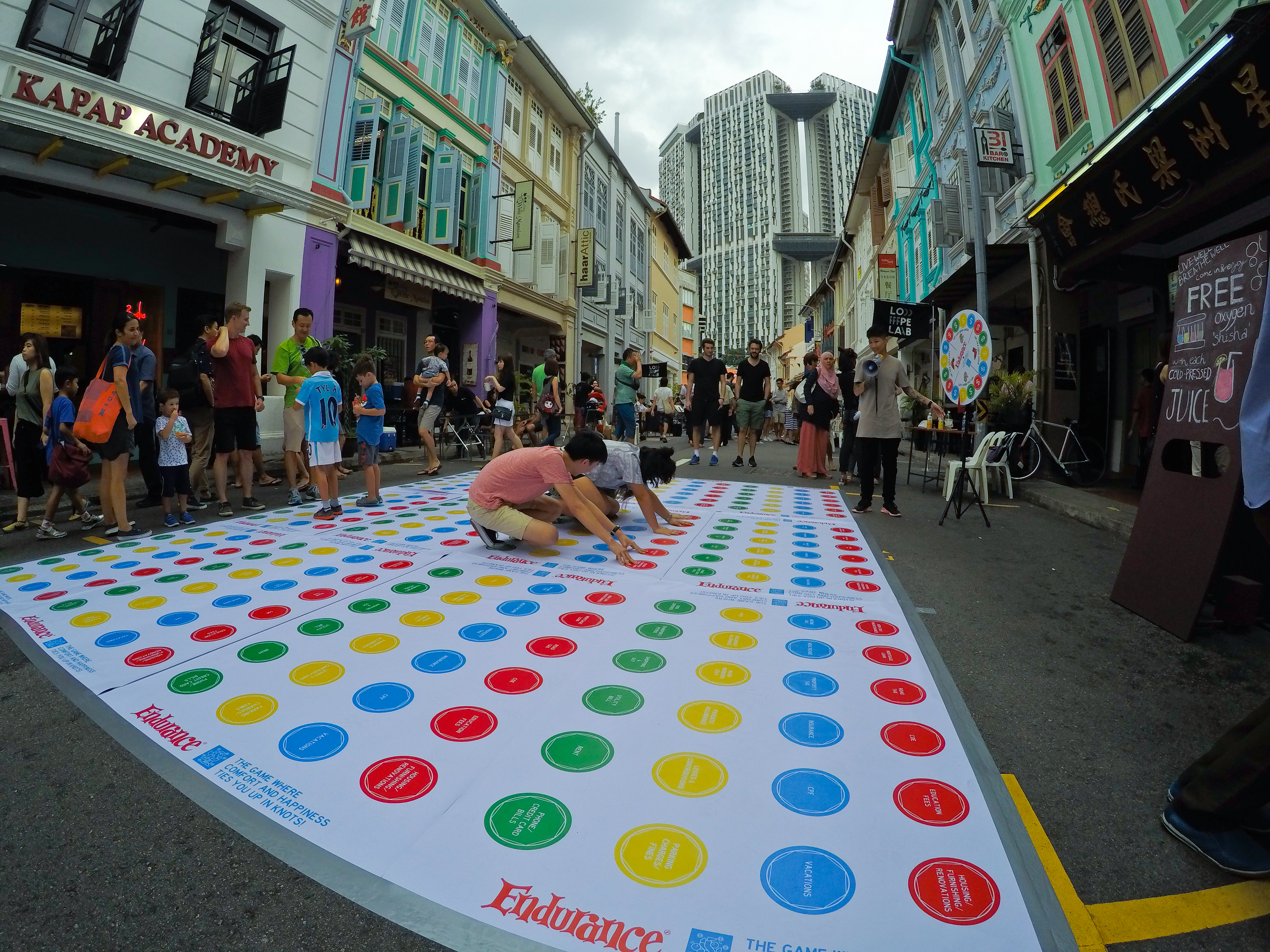
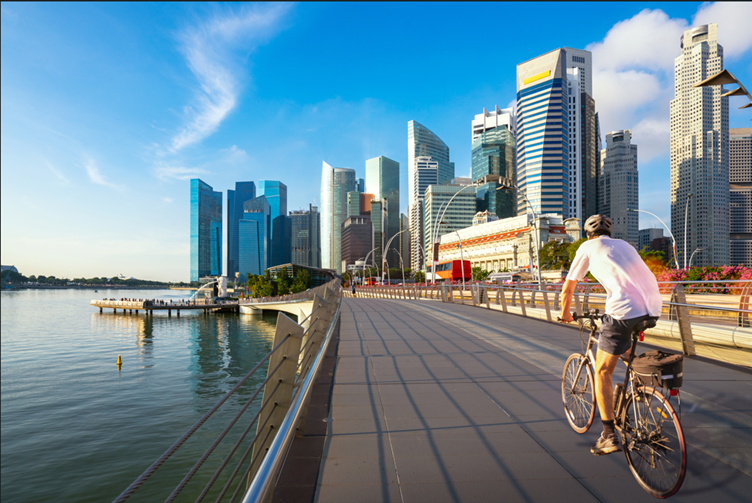
Today, our CBD is a much more vibrant space, offering a day-to-night environment. It continues to attract weekend crowds for a variety of reasons - for food, exercise, or shops featuring curated activities and workshops. The wider streets are pedestrian-friendly, lined with cafes, al fresco dining options, and convenience stores, some of which are adjacent to cycling paths and park connectors. Public squares and gardens contribute to placemaking efforts and foster more interactions.
Nightlife culture is also thriving in the CBD, with bars and restaurants catering to the working crowd and weekend revellers. The presence of foreign tenants and short-term travellers seeking accommodation in these centrally located areas adds to the vibrancy, offering a unique atmosphere and experience.
After all, it feels wasteful for the CBD of a world-class financial hub, with already high rents, to be desolate after 7 pm on weekdays and at weekends.
“You can’t be more centrally located than being located in the centre”
Location is key when discussing real estate. Usually, properties near city centres are the most valuable because they offer amenities and activities.
Therefore, Build-To-Order (BTO) HDB flats in these prime locations in and around the CBD are oversubscribed. Resale flats in the Central Area still see high demand despite shorter remaining leases (less than 60 years). This is testament to Singaporeans' desire to live in the CBD.
Why so? Because for those working in or around the CBD, living there makes the most sense. Residents enjoy quick commutes, saving valuable time. Wouldn’t you want to live within walking distance of your workplace? Some CBD buildings even offer bicycle parking and end-of-trip facilities. All your daily needs are literally a short walk away.
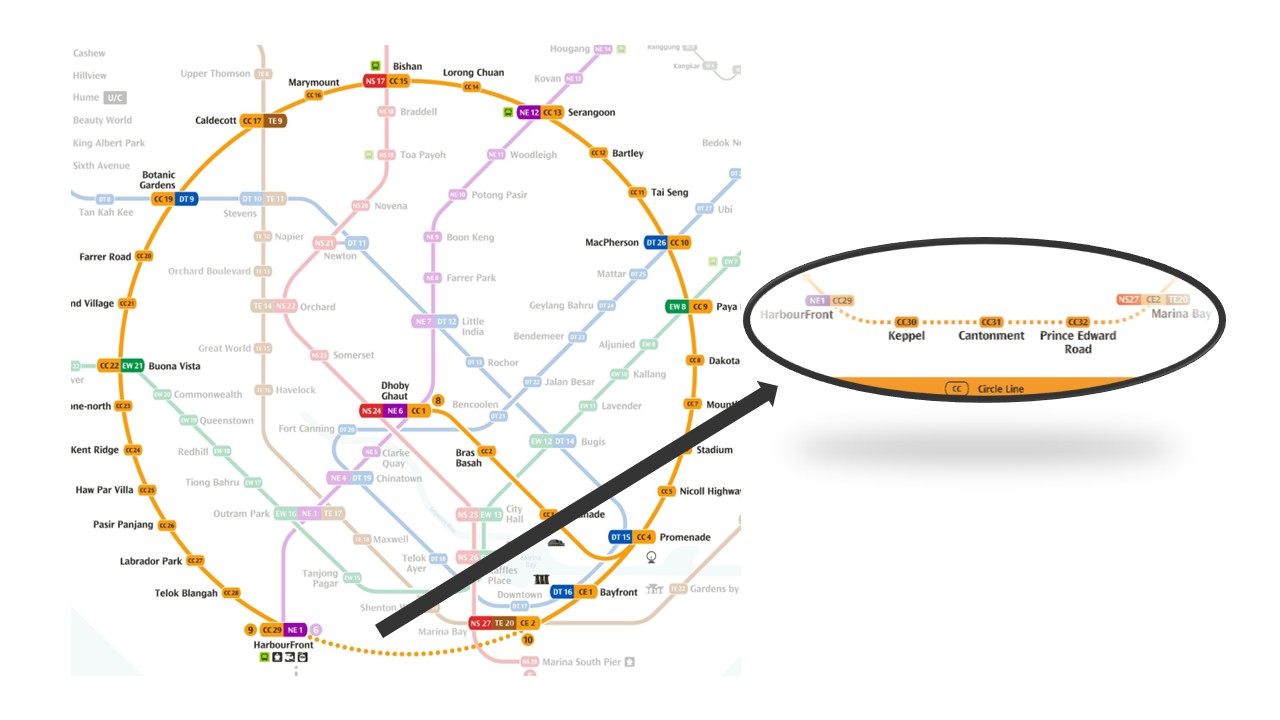
Additionally, residing in the heart of Singapore offers easy access to other parts of the island. The CBD boasts 13 MRT stations across all six lines, providing unmatched connectivity to virtually anywhere. Furthermore, the Circle Line loop is scheduled for completion by the end of 2026. This will give residents easier access and greater connectivity to various parts of Singapore.
"People talk about wanting amenities - downtown is the amenity.”
Imagine this: After a long day at work in Tanjong Pagar, you take a short 10-minute walk home, stop by a supermarket for a quick shop, and then pick up your child from preschool. On the way home, you decide whether to take a bike ride to Gardens by the Bay, attend a boxing class at the gym across the road, or unwind at one of the bars beneath your condo. On remote workdays, you visit your regular coffee joint for a quick breakfast, followed by a couple of productive hours there. Do you see yourself having this lifestyle?
Beyond the convenience of the location, residents of the CBD enjoy the lifestyle of having everything around them. From food options to amenities to green spaces, places of worship and leisure spots, most things can be found within walking distance.
While remote work may make city living seem less relevant, hybrid employees may find it more productive to work in third places within CBDs, such as cafes and coworking spaces.
Amenities
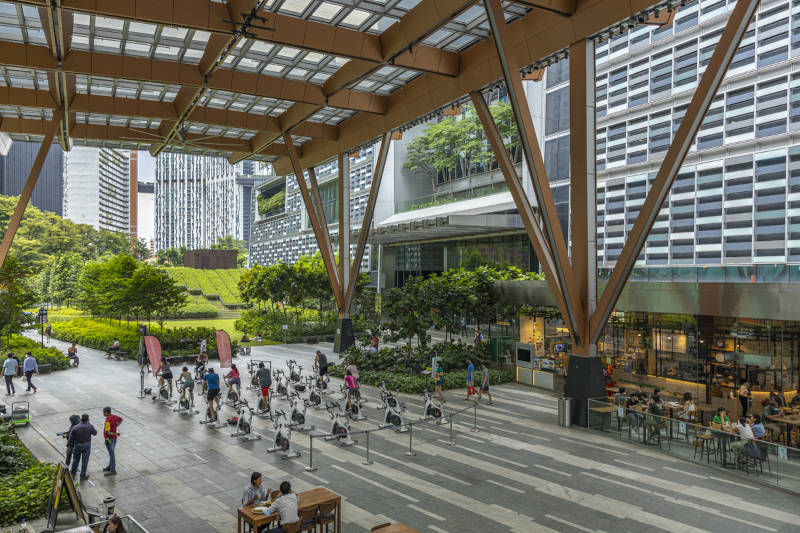
Many believe that CBD lacks amenities for residents. However, on the contrary, it offers a wide range of options. Fitness enthusiasts have access to numerous gyms, including specialised ones for climbing, martial arts, yoga, and even quick 30-minute lunchtime workouts. For those seeking a break from the hustle and bustle of the urban environment, parks such as Pearl’s Hill City Park, Fort Canning Park, and Gardens by the Bay offer nearby green spaces for jogging or cycling after work.
Everyday needs are well served by malls such as Icon Village, 100 AM, Tanjong Pagar Plaza, and Chinatown Point, which offer supermarkets, clinics, pharmacies, and personal care services. Families with young children benefit from the numerous childcare centres and preschools in areas such as Tanjong Pagar, Telok Ayer, Clarke Quay, and Marina Bay.
Gardens by the Bay will be your neighbourhood park, while Marina Bay Sands will be your neighbourhood mall.
Newer CBD developments also feature public spaces designed for community activities. Examples include Guoco Tower’s Urban Park, Capitaspring’s Sky Garden, and the Central Green Garden at the IOI Central Boulevard Towers, which enhance liveability.
Aplenty of Food Options
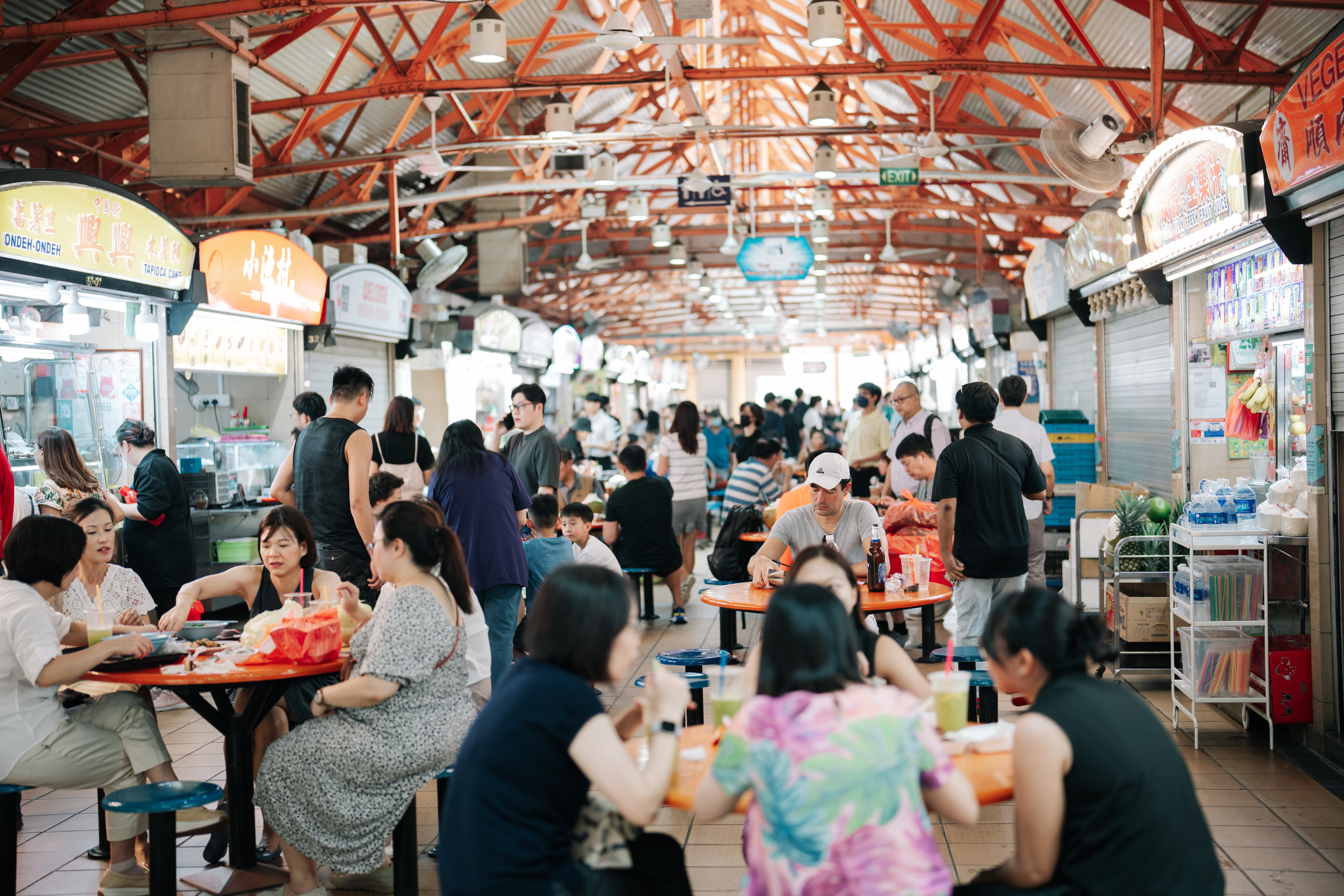
In the past, food establishments in the CBD were only open until lunchtime on weekdays. Today, they are widely available, catering to every budget and occasion. Whether you are just looking for daily sustenance, a leisurely weekend brunch or a fancy restaurant to fine dine at, there is something for everyone. A common misconception is that food is costly in the CBD. While that holds for some of the classiest restaurants or hip and trendy bars, there are actually eight NEA-run hawker centres in the CBD. They provide affordable food and drink options.
Moreover, regardless of what cuisine you are looking for, you can probably find it there. Coffeehouses and bars are also widely available.
While city living offers plenty, it may not be for everyone
With all these desirable attributes, does living in the city still make sense for everyone? Definitely not. It still lacks schools for families with school-age children. Along with a few enrichment centres, Cantonment Primary School is the only one in the CBD. Nevertheless, it may not be within 1 km of the CBD condos.
Furthermore, those working in the CBD may not necessarily want to live there. It can be difficult to disconnect from work during time off. Some may be put off by weekday crowds, with excessive 'buzz' and 'commotion'. Others might find the demographics and community in the CBD unsuitable, as it is primarily composed of expatriates, tenants, and leisure travellers. As a result, residents may feel less connected, and the community may be less close-knit.
City living also comes with a higher cost of living. With higher rents in the city centre, food and services are likely to be more expensive than in suburban areas.
Separately, there remains a housing shortage in the area. Currently, there are only 13,886 private residential units in the CBD. This accounts for 4.0% of all homes island-wide, slightly below the total for District 03 (Queenstown, Tiong Bahru). The limited number of homes may be deterring aspiring CBD homeowners, prompting them to seek their dream home elsewhere.
Shifting the focus (and homes) back to the city centre
Over the years, the success of URA’s decentralisation strategy, coupled with an improved public transport network and more comprehensive amenities, has led people to live further from the city centre. Singaporeans are also hesitant to live in the CBD due to limited housing options, which has driven up home prices.
However, in recent years, there has been a greater focus and more announcements on the rejuvenation of the Central Area. As the outcomes of decentralisation now bear fruit, the government may be considering a revised centralisation strategy. As attention shifts back to the city centre, renewed buzz and excitement will enhance its allure, underpinned by lifestyle and convenience.
More importantly, living in the CBD is not novel. It was set aside as Singapore focused on developing its financial hub. With URA’s push to transform the CBD into a work-live-play location, more homes have been progressively planned for the CBD, and we may see more Singaporeans returning to live in the city centre in the time to come.
The CBD has limited space for new developments. Most sites have already been sold and developed. Moreover, most of these developments were sold under the Government Land Sales programme, which entails a 99-year leasehold tenure. Hence, when one becomes available on the market, we could see strong interest. To date, there are only three freehold condominiums in the CBD. This limited supply could continue to make CBD units highly sought after.
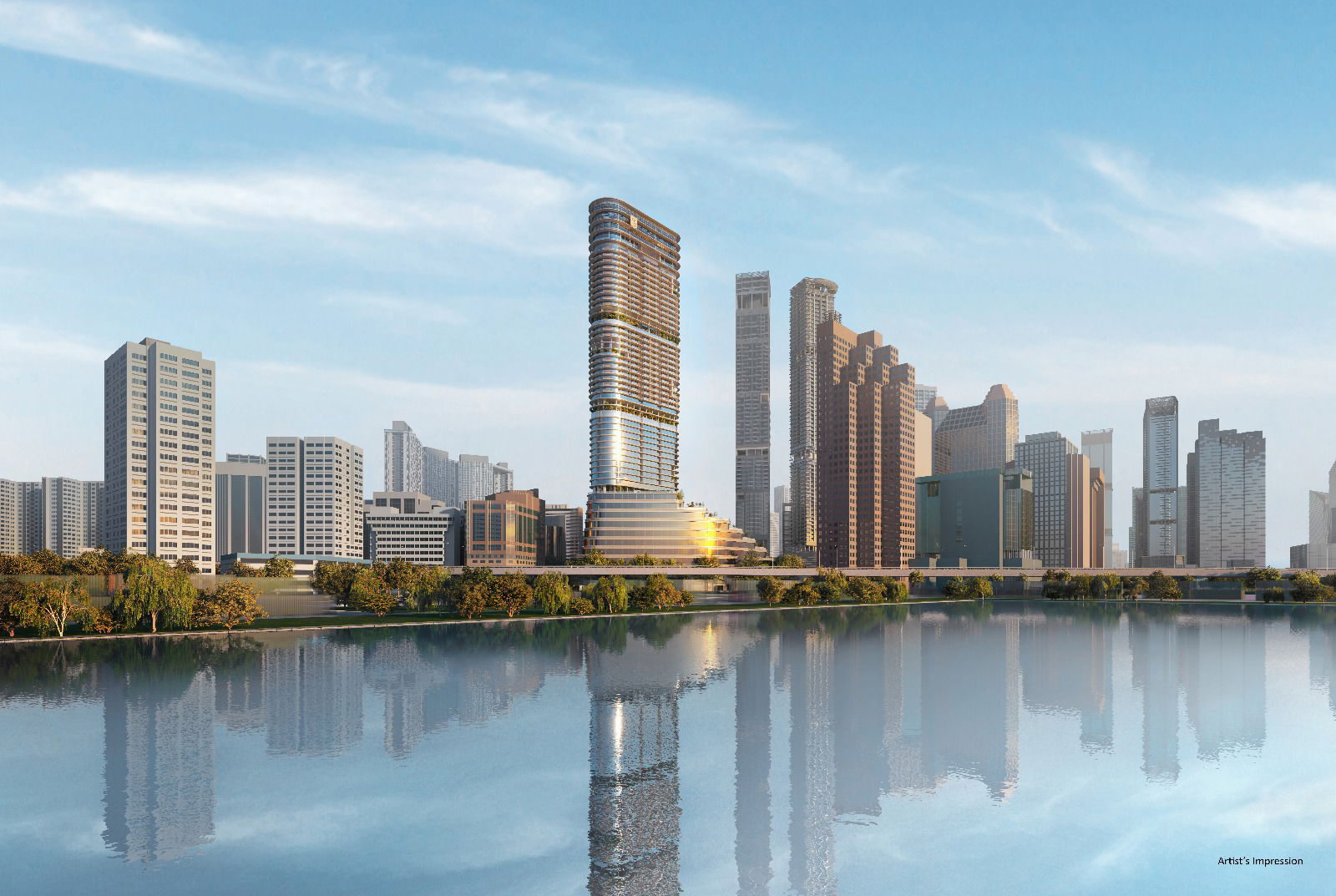
Is living in the CBD something you consider? Perhaps to be near your workplace, be centrally located, or enjoy the lifestyle? In 2026, there will be only one new launch in the CBD: Newport Residences. More importantly, it is a freehold development, integrated with offices and restaurants to bring vibrancy. A bonus for families with school-age children is its proximity to Cantonment Primary School, a rarity given the prime location.
I confirm that I have read theprivacy policy and allow my information to be shared with this agent who may contact me later.
