
Hungry Ghost Festival Beliefs: Do They Impact Property Activity in Singapore?
- kwongseongping
- 6 min read
- Blog
- 12 Sep 2025
Growing up in Singapore, most of us are no strangers to superstitions and long-held beliefs that have been passed down through the generations. Like being told to finish every grain of rice on our plates (lest our future spouse ends up with poor skin) or never to open an umbrella indoors (for fear of inviting a spirit home). Such age-old beliefs have become a part of our everyday lives.
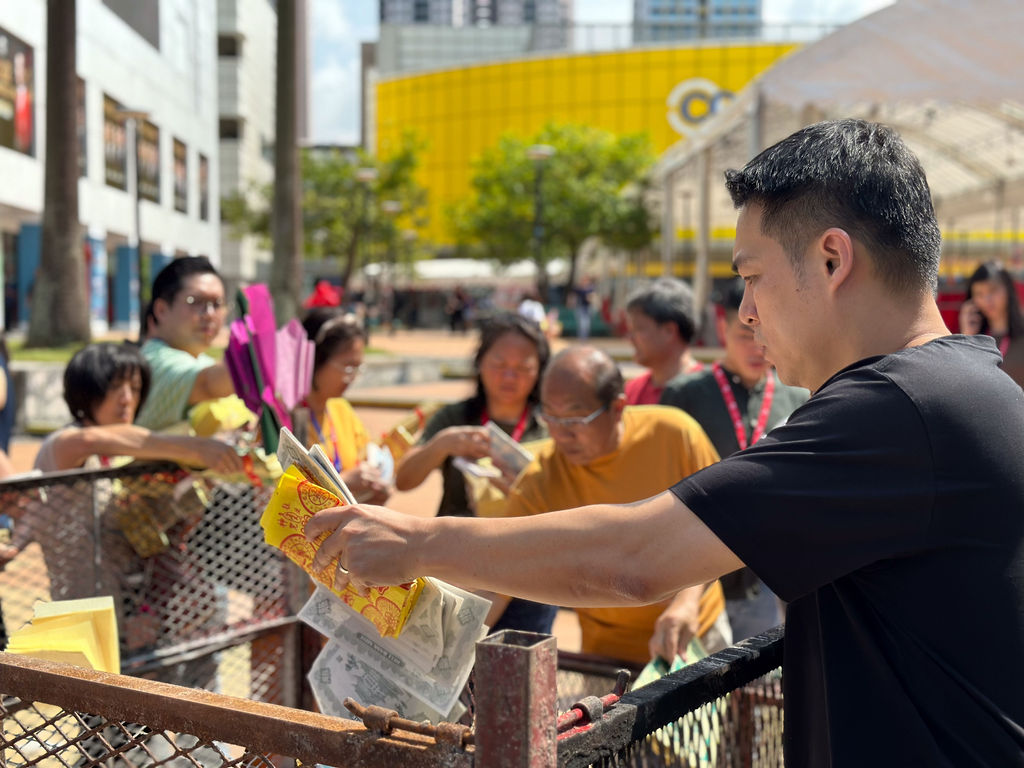
In much the same way, the unmistakable smell of smoking incense and sight of curling joss paper in burner bins have become familiar signs of the seventh lunar month, known as Hungry Ghost Month. According to East Asian beliefs, this is the month when the gates of the underworld swing open, allowing spirits to roam freely among the living. These wandering spirits are said to bring misfortune. And while it may sound like a tale meant to spook children, such beliefs can sometimes influence major life decisions, even something as practical as purchasing real estate.
Although many of these beliefs have long shaped the real estate sector, particularly in the context of house hunting, today’s buyers seem to be increasingly indifferent to these superstitions. In this article, we will explore the relevance of some of these beliefs in today’s market.
Avoid Night Viewings in Case You Bring Home Wandering Spirits
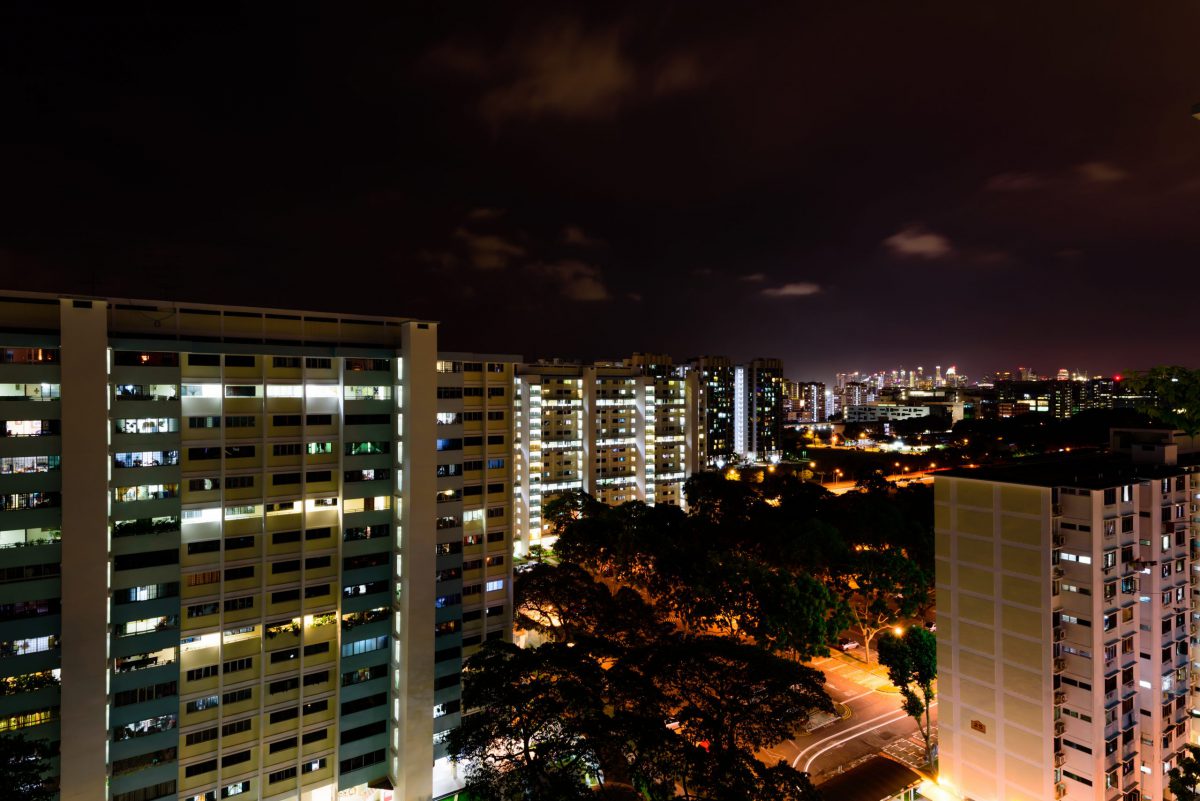
Night viewings are avoided, as empty units after dark are thought to invite wandering spirits, and in particular, one should never call someone’s full name during such visits. Even seemingly small gestures are magnified during the Ghost Month. For instance, ringing the doorbell before entering an empty unit may appear trivial, but many believe it announce your presence and shows respect in case any wandering spirits within the unit.
Agents typically advise clients to schedule daytime viewings rather than visiting properties at night, as this creates a more comfortable environment for buyers and reduces the chance of unsettling experiences or spiritual discomfort. Being culturally sensitive generally helps keep buyers at ease, promoting better agent-client relationships.
Project Launches Postponed Until After Hungry Ghost Month
For many developers, it’s not uncommon to delay new project launches, knowing that buyers tend to hold off during this period. This approach helps developers avoid slow sales momentum during Ghost Month, ensuring that their projects launch at a time when buyer sentiments are stronger and demands are more active.
During this period, agents would continue to invite clients to visit developer show flats. With fewer crowds, buyers tend to have more opportunity to explore the project thoroughly at their own pace.
Prayers During Seventh Month to Ensure Smooth Business Operation
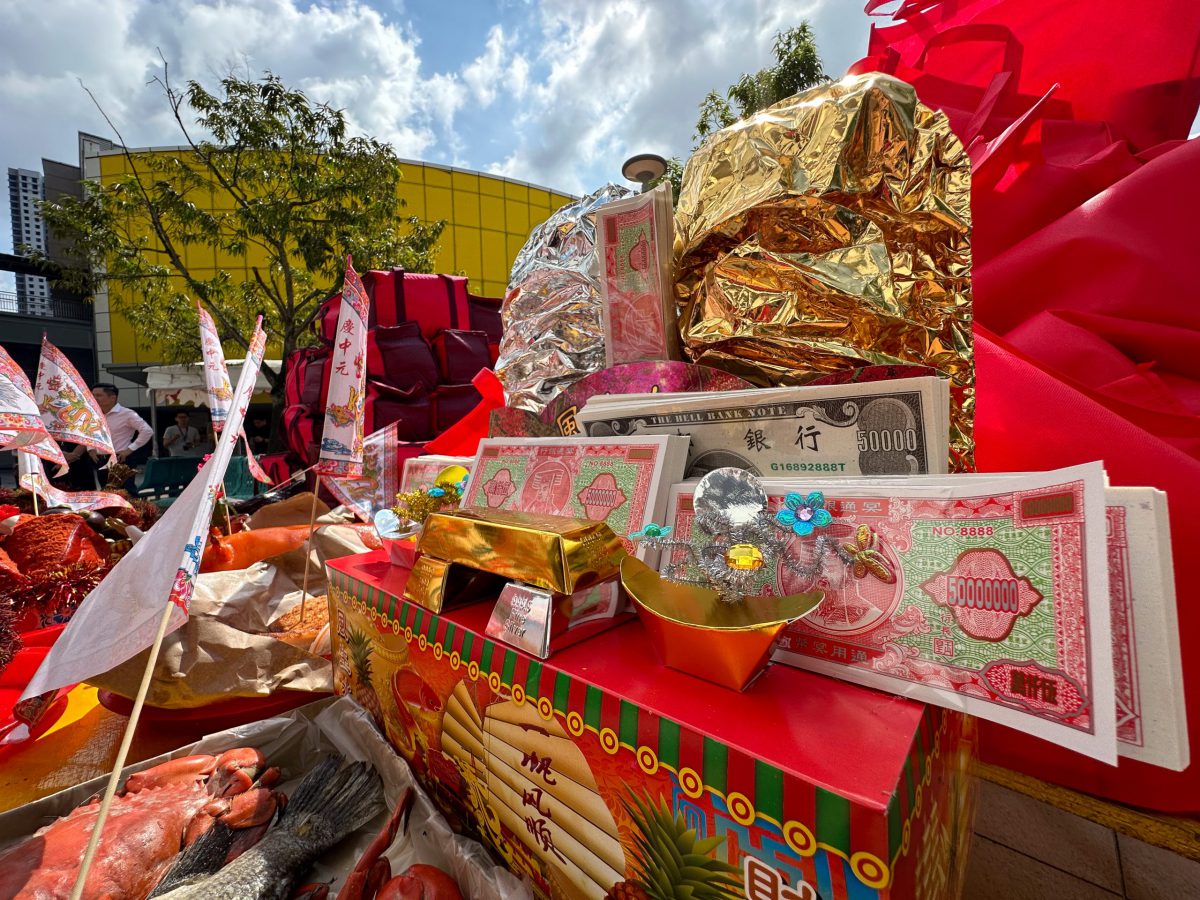
During the seventh month, many business owners tend to perform prayers and rituals to ensure smooth operations and ward off misfortune. These practices are deeply rooted in the belief that wandering spirits roam freely during this period, which could potentially disrupt daily activities or bring bad luck.
Agents also practice these rituals with the intention of fostering harmony and attracting positive energy for their clients and daily operations. Common practices include offering incense and fruits at the altars, along with reciting prayers to deities for protection and prosperity.
Buyers Avoid Committing to a Purchase During Seventh Month
Many buyers prefer to avoid making major financial commitments during this period. Some may go even further by postponing discussions with their agents altogether and deliberately delaying property transaction that are already under negotiation. This stems from the belief that purchasing a home in the ghost month could bring bad luck.
Agents would often encourage buyers to take advantage of this period to view the flat, securing the unit with deposit and completing paperwork, and then schedule their move in after Ghost Month.
No to Moving into a New Home During the Seventh Month
Moving into a new home is seen as inauspicious, many prefer to hit pause on their plans rather than risk even a hint of bad luck. This tradition often results in fewer housewarmings or move-ins during the month, as families choose to wait for a more auspicious period or after the Ghost month.
Agents would usually advise clients to hold off the actual move-in until after the seventh month, while still completing paperwork or collecting keys if needed. They may also suggest simple acts such as placing rice or fruits inside the home as a symbolic start without fully moving in, ensuring clients feel assured.
Do Not Start Renovation During Seventh Month
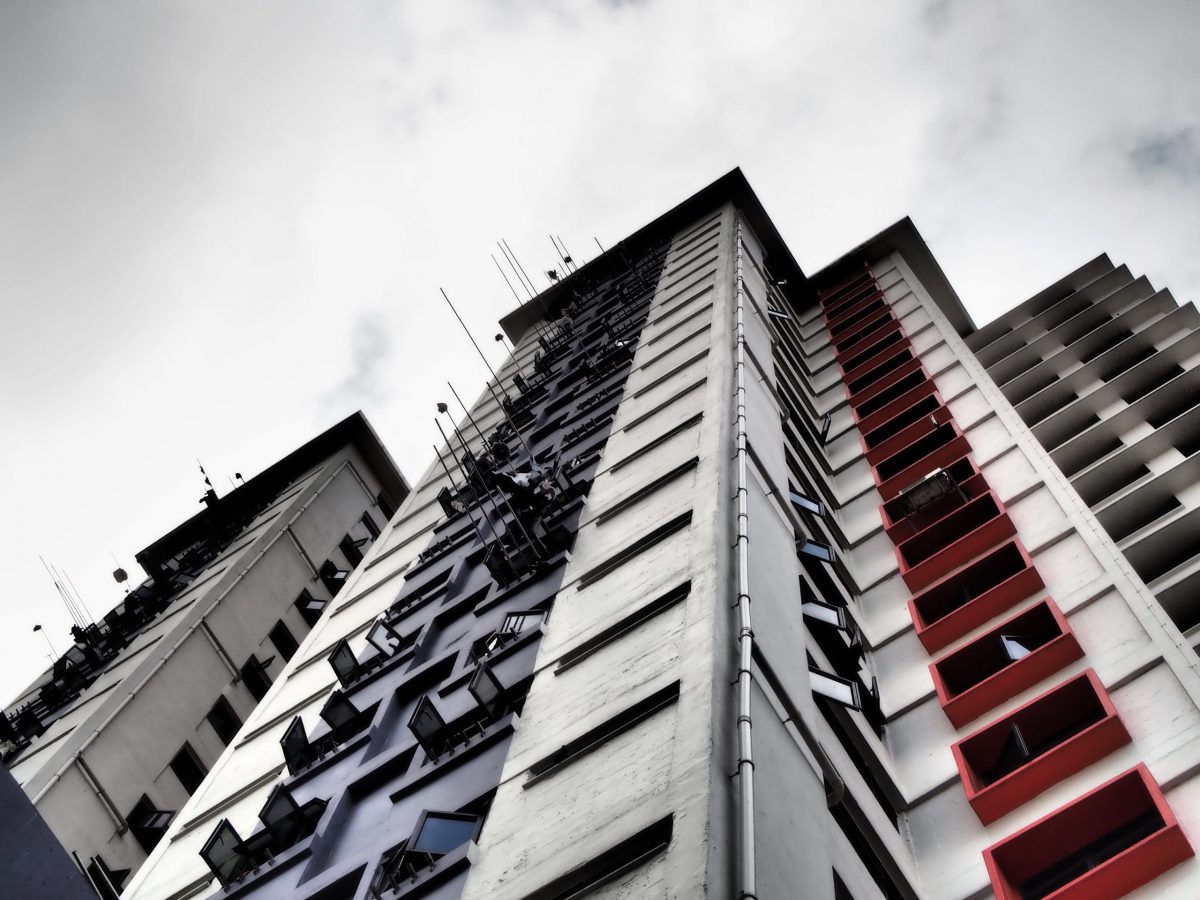
Renovation works are also postponed, as the noise from drills and hammers is believed to anger the spirits, potentially bringing misfortune to the family. Many homeowners choose to wait until after Ghost Month to begin renovations, ensuring both peace of mind and a harmonious living environment.
Interior designers would generally advise starting renovations before the seventh month to avoid conflicting with inauspicious dates, while minor upgrading work during Ghost Month should be carefully scheduled to minimize disruption.
Are Singaporeans’ property decisions affected by the Hungry Ghost Festival?
Hungry Ghost Month is a vivid reminder of how deeply superstition is woven into our culture and daily life, in this case, real estate, where timing can sometimes matter just as much as price or location. For the more adventurous, Ghost Month can present unique opportunities, opening the door for those willing to look beyond superstition and spot a great bargain.
Given Singapore’s diverse religious landscape, any cultural or spiritual effect on property demand is largely diluted. This is reflected in data from URA over the past three years. The number of new home units sold during this period has remained consistent, showing no significant drop during Ghost Month compared with the rest of the calendar year.
Certain areas in Singapore, such as Bishan and Bidadari, which were historically known for their cemeteries. Today, both locations have undergone significant redevelopment, transforming into vibrant residential neighbourhoods with well-planned amenities, green spaces, and transport links. These areas have become highly sought-after by homebuyers. Such instances can also be seen in some notable developments such as Ngee Ann City mall and ION Orchard. Both are located on the former Tai Shan Ting cemetery after it was exhumed in the 1950s.
In conclusion, modern homebuyers are guided more by property fundamentals, such as location, price, and amenities, rather than by superstition or traditional belief.
I confirm that I have read theprivacy policy and allow my information to be shared with this agent who may contact me later.
