Commentary on Changes to ABSD for Developers
- ERA Singapore
- 4 min read
- PressRelease
- 28 Jul 2026
The Ministry of National Development (MND) announced today that it would be revising the ABSD regime to support licensed housing developers in undertaking large-scale en bloc redevelopments.
These changes will apply to two categories of en bloc sites that are purchased on or after 29 July 2026:

Source: MND, ERA Research and Market Intelligence
(*Intermediate sales condition applies: Developers are required to sell at least 50% of residential units by end of 6 years)
The existing 40% ABSD clawback rate remains unchanged, comprising a 5% non-remittable component and a 35% upfront remittable component.
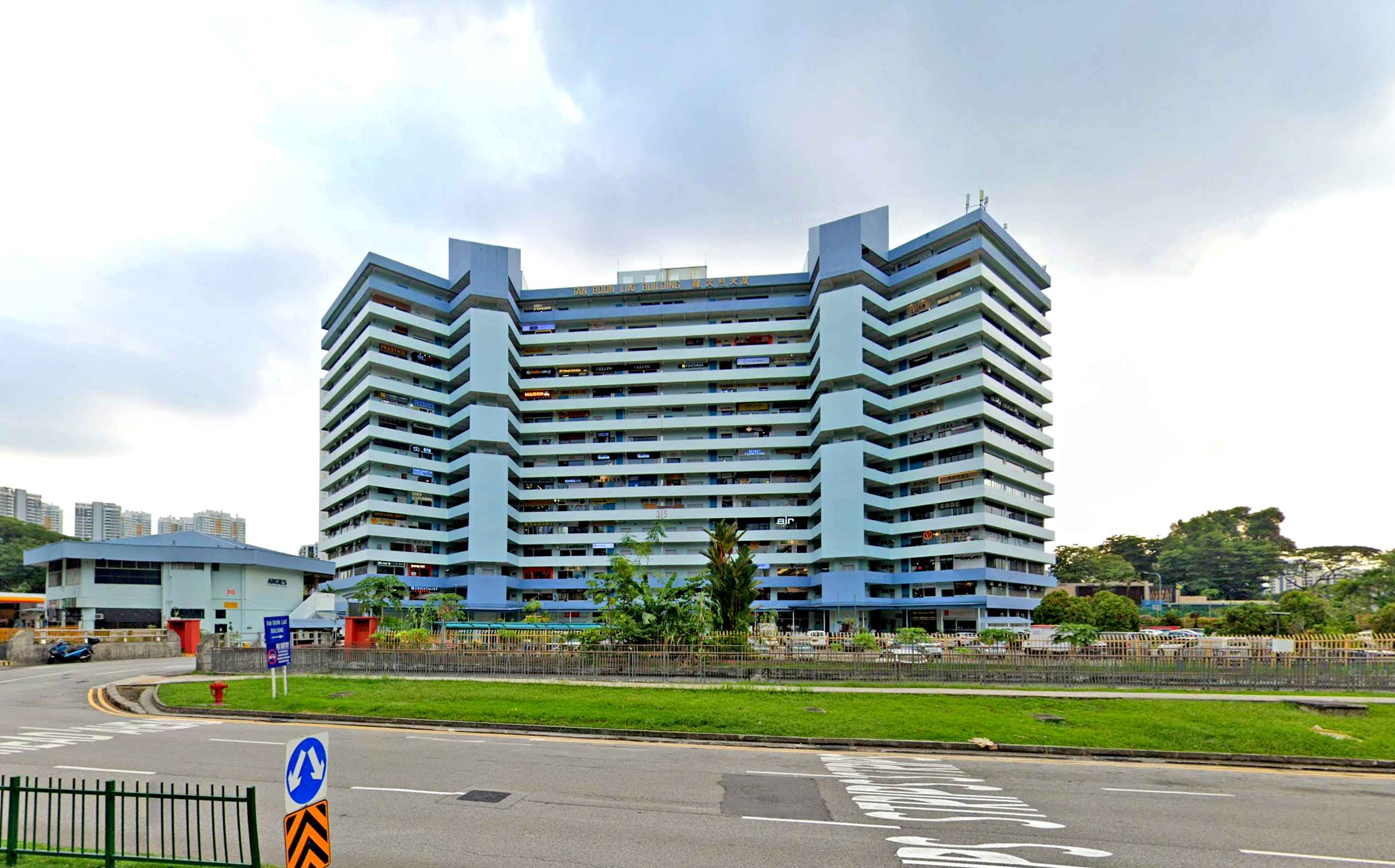
“The changes are welcome as they come amid a revival in developer interest in en bloc sites, with notable collective sales this year, including Tan Boon Liat Building and Loyang Valley condominium. With the revised ABSD rules giving developers even greater flexibility, this could help sustain the recent pick-up in en bloc activity,” said Marcus Chu, CEO, ERA Singapore, ERA Asia Pacific and APAC Realty.
This could mark an important turning point for Singapore’s collective sales market, which last saw a pre-pandemic boom in 2017 to 2018. Some 28 deals worth a combined S$8.7 billion were completed in 2017, followed by another 38 deals totalling S$10.8 billion in 2018.
Developers will now have a wider selection of sites to pursue, on top of the ample supply from the Government Land Sales (GLS) programme. At the same time, these changes could create more opportunities for urban rejuvenation and the delivery of new homes in established locations through en bloc redevelopment.
Revised ABSD Timelines May Support Greater Interest in En-Bloc Sites
The revised ABSD remission timelines provide developers with greater runway to undertake large-scale and complex en-bloc redevelopments. By extending the completion and sale timelines to six years for projects yielding 700 to 1,399 units, and seven years for projects yielding at least 1,400 units, the revisions help address some of developers’ execution and sales risks associated with acquiring sizeable collective sale sites.
“While Government Land Sales sites will remain developers’ primary source of residential land, the enhanced framework could encourage more developers to consider large en-bloc opportunities as an alternative. This may be particularly relevant when competition for well-located GLS parcels is intense, or when developers are seeking sizeable redevelopment sites that are not readily available through the GLS programme.”
Collective sale sites also provide access to established neighbourhoods where undeveloped state land may be limited. Older developments in mature estates may offer redevelopment potential supported by existing schools, transport connectivity, amenities and a proven residential catchment.
In addition, while residential GLS sites are typically offered on 99-year leases, the collective sale market provides developers with opportunities to acquire freehold or 999-year leasehold sites and develop products differentiated by tenure.
“The revisions may therefore improve the redevelopment feasibility of selected large ageing estates and widen the range of land-acquisition options available to developers. However, a broad-based revival in collective sales will still depend on alignment between owners’ price expectations and developers’ assessments of land costs, construction expenses, financing conditions and achievable selling prices,” adds Chu.
Outlook: Supporting a More Diverse and Dynamic Housing Landscape
En-bloc sales are unlikely to displace the Government Land Sales programme as developers’ primary source of residential land, given the greater certainty and transparency associated with GLS tenders. However, as competition for well-located state sites intensifies, collective sales could play a more meaningful complementary role by broadening the range of acquisition opportunities available to developers.
Any recovery in the en-bloc market is expected to remain selective. Collective sale transactions involve additional considerations, including owners’ price expectations, consent thresholds, potential objections, demolition costs, lease top-ups, land betterment charges and longer execution timelines. Developers will therefore continue to assess such opportunities carefully, with a focus on sites offering strong redevelopment potential, established demand and manageable project risk.
“Over time, a more balanced land-supply ecosystem comprising both GLS and collective sale sites could contribute to a more diversified housing landscape. This may encourage a wider range of projects across different locations, tenure profiles and market segments, while supporting Singapore’s broader objectives of urban renewal, housing choice and sustainable long-term development,” says Chu.
I confirm that I have read theprivacy policy and allow my information to be shared with this agent who may contact me later.
