
My Dream Home Survey 2025: Perceptions, Preferences, and Pressures of Singapore's Homebuyers
- Wong Shanting & Ethan Hariyono
- 12 min read
- Research
- 22 Oct 2025

This is a part of a series based on findings from ERA Singapore's 2025 My Dream Home Survey, in collaboration with Ngee Ann Polytechnic's School of Design and Environment. The survey set out to uncover how Singaporeans’ housing aspirations are evolving amid changing market conditions and lifestyle priorities.
About “My Dream Home” Survey 2025
Homeownership remains a cornerstone of the Singapore dream, and understanding what today’s buyers value and what they aspire towards continues to be important to ERA. In this year’s “My Dream Home” Survey 2025, ERA and Ngee Ann Polytechnic set out to uncover how Singaporeans’ housing aspirations are evolving amid changing market conditions and lifestyle priorities. In this second edition of the survey, we captured responses from over 1,100 individuals across different generations.
Given the significant proportion of Gen Z respondents this year, we have omitted their findings from our overview, as many of them have yet to enter the workforce, and may skew the results. By doing so, we hope to present a balanced perspective of the broader Singaporean cohort.
Steadfast Dreams of Home Ownership Despite Shifting Housing Landscape
The housing landscape in 2025 has shifted - characterised by greater economic uncertainty and a lower interest rate environment. Despite these challenges, the Singapore real estate market experienced a wave of new launches with remarkable sales performance, driving nine-month sales to surpass the total recorded for the whole of 2024. Against this backdrop, an important question arises: have Singaporeans’ housing aspirations shifted since 2024?
Our latest Dream Home Survey 2025 reveals that 93% of Singaporeans continue to view homeownership as a key milestone of stability and family security. Among those looking to buy a home in the next three years, some 40% of Singaporeans say they are either one step away from their dream home or are working towards buying a home. Meanwhile, another 29% remain open but cautious of the idea of pursuing their dream home, acknowledging the challenges along the journey towards homeownership.
Rising Home Prices Remain a Key Driver of Upward Mobility Within the Housing Ladder
Mirroring last year's trend, 41% of respondents are eyeing an HDB flat, while 39% aspire to own a private condominium, another 14% are considering an Executive Condominium (EC) and 7% hope to buy a landed home.
Rising home values have enabled many Singaporeans to unlock equity from their existing properties and progress up the housing ladder. Among those planning to buy a home in the next three years, 59% intend to fund their purchase through a mix of cash savings and sales proceeds from their existing property. Only half or about 49% say they intend to take up a mortgage loan to fund their homes, further signalling Singaporeans’ cash-rich positions
The property dream remains very much alive for many Singaporeans, but do these aspirations reflect similar goals across generations? Our first segment takes a closer look at what young Singaporeans, particularly Gen Zs and young Millennials, envision when it comes to their dream home. In the second segment, we will discuss Perceptions, Preferences and Pressures for respondents who exhibit intent to buy a home.
Working hand-in-hand with Ngee Ann Polytechnic’s School of Design & Environment, we take a closer look at how Gen Z, Millennials, Gen X, and Baby Boomers each perceive homeownership, and how their motivations, priorities, and challenges differ within Singapore’s ever-evolving property landscape.
PERCEPTIONS
Most Singaporeans are Satisfied with Their Homes. Yet 4 in 10 would consider selling if the price is right
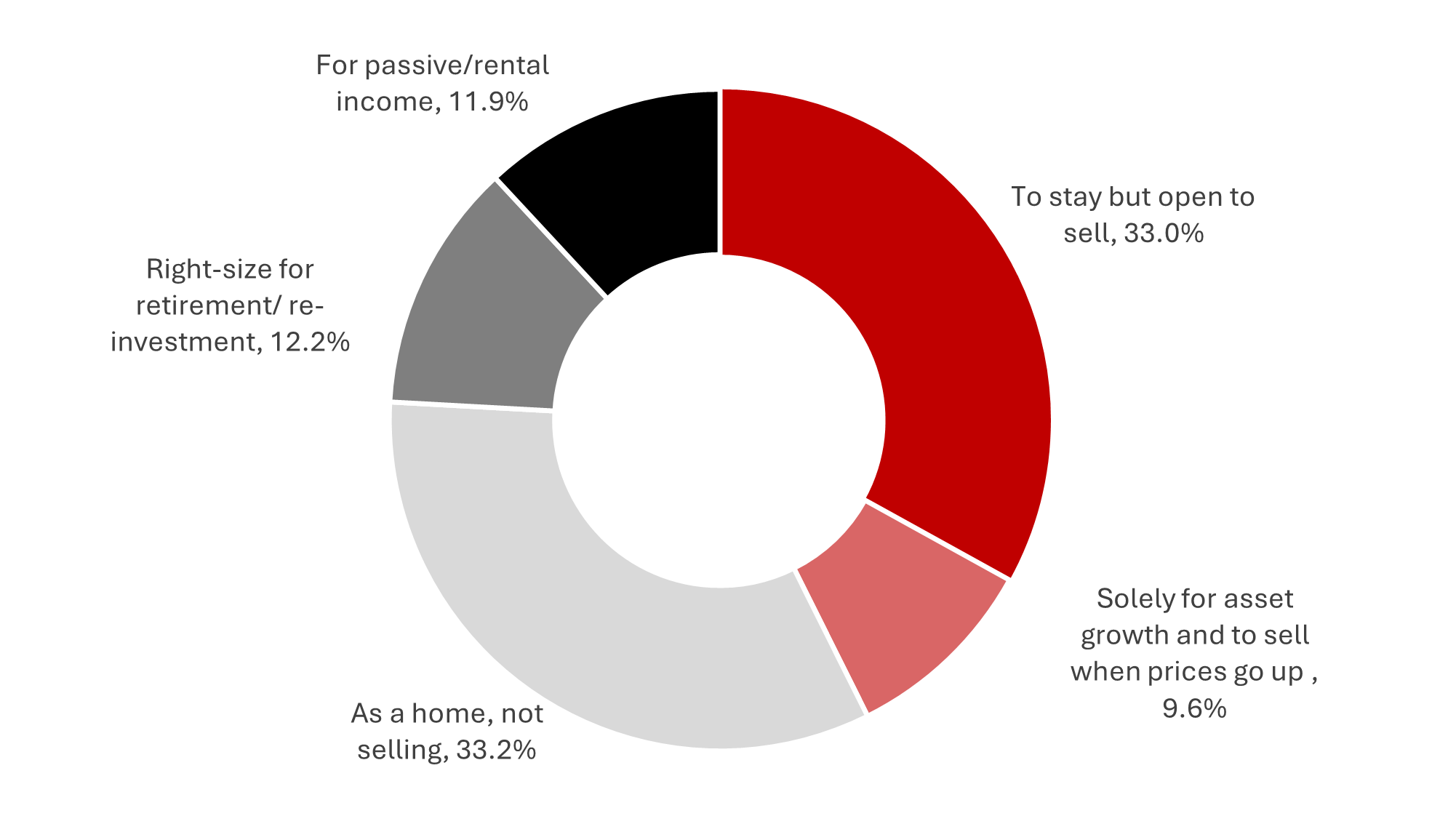
An overwhelming 92% of respondents expressed satisfaction with their current homes. Despite the strong satisfaction levels, about 43% said they would consider selling if the right price came along, while one in three has no plans to sell.
Chart 1: Purpose of the property
Reasons for Home Satisfaction Have Shifted with More Singaporeans Now Valuing Proximity to Work and Schools Compared to a Year Ago
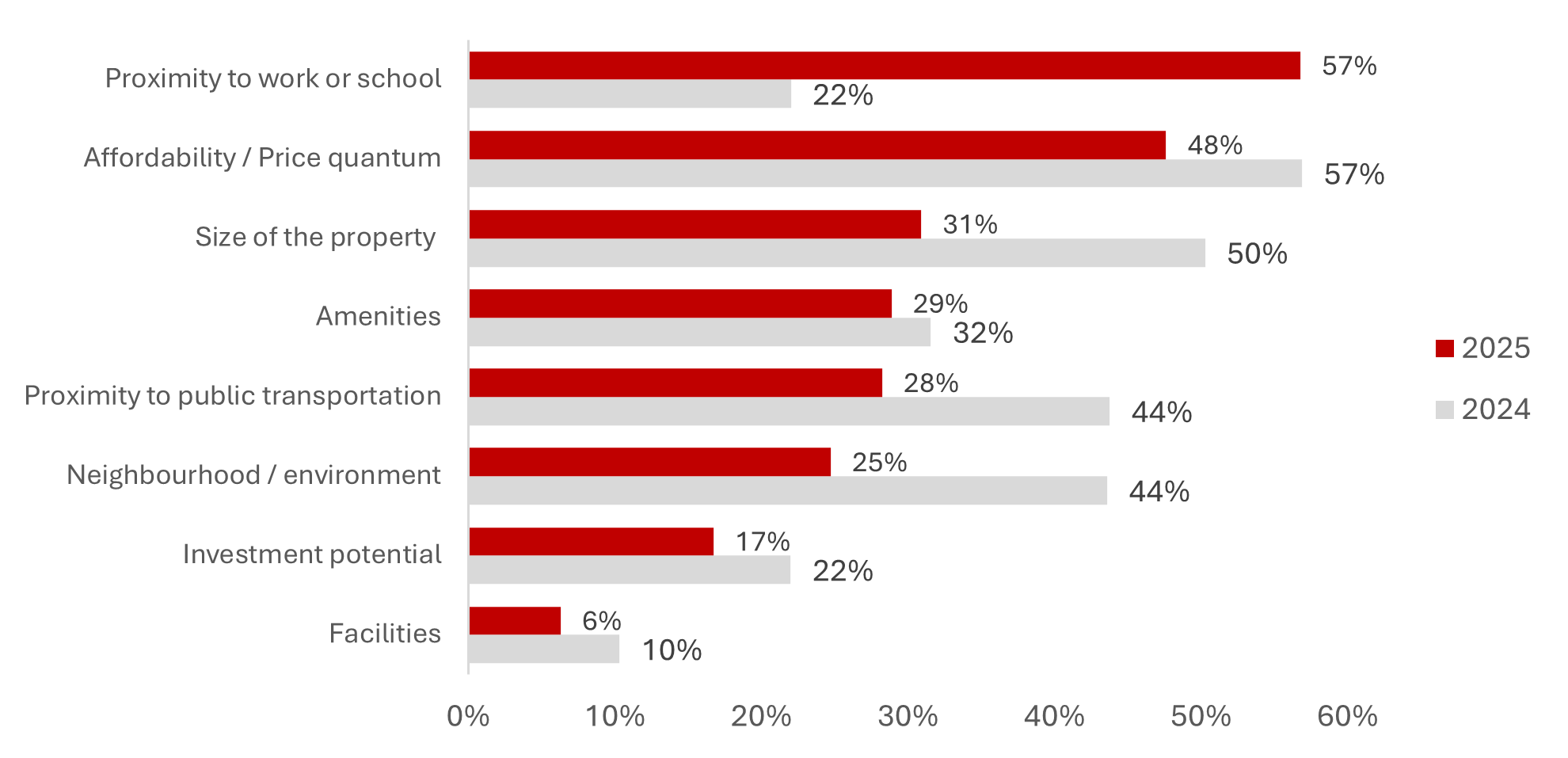
Compared to last year, the factors behind housing satisfaction have shifted notably. Singaporeans’ priorities have shifted from price and size to proximity and convenience - signaling a growing focus on practicality. This suggests that Singaporeans are adopting a more pragmatic mindset, valuing accessibility to schools, workplaces, and essential amenities over sheer affordability or space.
- In 2025, 57% of respondents ranked their home’s proximity to their workplace or school as the top factor driving satisfaction, followed by the price paid (48%) and home size (31%). Just a year ago, affordability was the key determinant - with price quantum (57%) and property size (50%) topping the list, ahead of proximity to public transport (44%). The shift underscores how convenience and location have become stronger priorities for homeowners in today’s environment. One possible reason for this shift could be the growing trend of employers calling staff back to the office after years of flexible or hybrid work arrangements. As daily commutes return, proximity to work and family conveniences have once again surfaced as key considerations in choosing where to live.
Chart 2: Factors contributing to overall satisfaction of their current homes
Homeownership Still Viewed as a Major Life Goal for Majority of Singaporeans, as it Reflects Stability, Identity, and Independence
- Homeownership remains the clear preference, with three in four Singaporeans saying they would rather own than rent.
- Singaporeans acknowledge that a home is an important space for the family to grow and thrive, but also as a space that reflects their independence and personality.
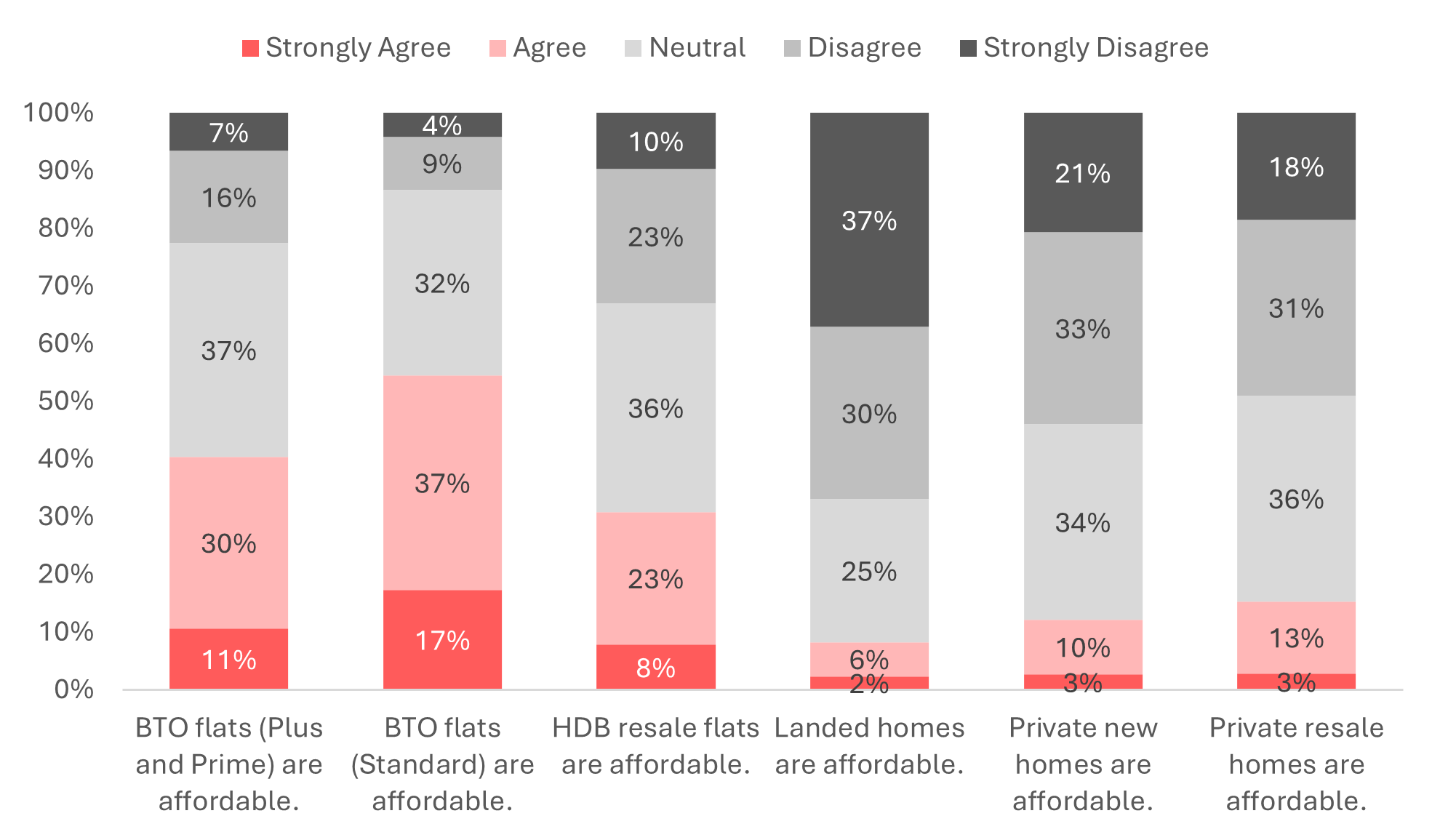
When it comes to affordability, confidence in public housing remains firm, but the sentiment toward private property ownership reflects a growing concern over accessibility.
- A strong 51% of respondents agreed that BTO flats are still affordable, though fewer (28%) felt the same about resale HDB flats. By contrast, only 13% view new private housing are affordable and 16% believe resale private homes are affordable.
- Undeniably, Singaporean upgraders have been a key driving force in the private residential market over the past two years, buoyed by rising property values that have enabled many to capitalise on their existing assets. With Singapore’s property market remaining stable, over half of respondents now view their homes as a long-term investment and an important means of building financial security for the future.
- For many Young Singaporeans, BTO flats represent an affordable entry point into homeownership, providing a strong foundation to eventually upgrade to larger or private properties.
Chart 3: How I view affordability of the different housing type
PREFERENCES
Singapore’s home market is expected to continue seeing robust interest in the next 3-5 years
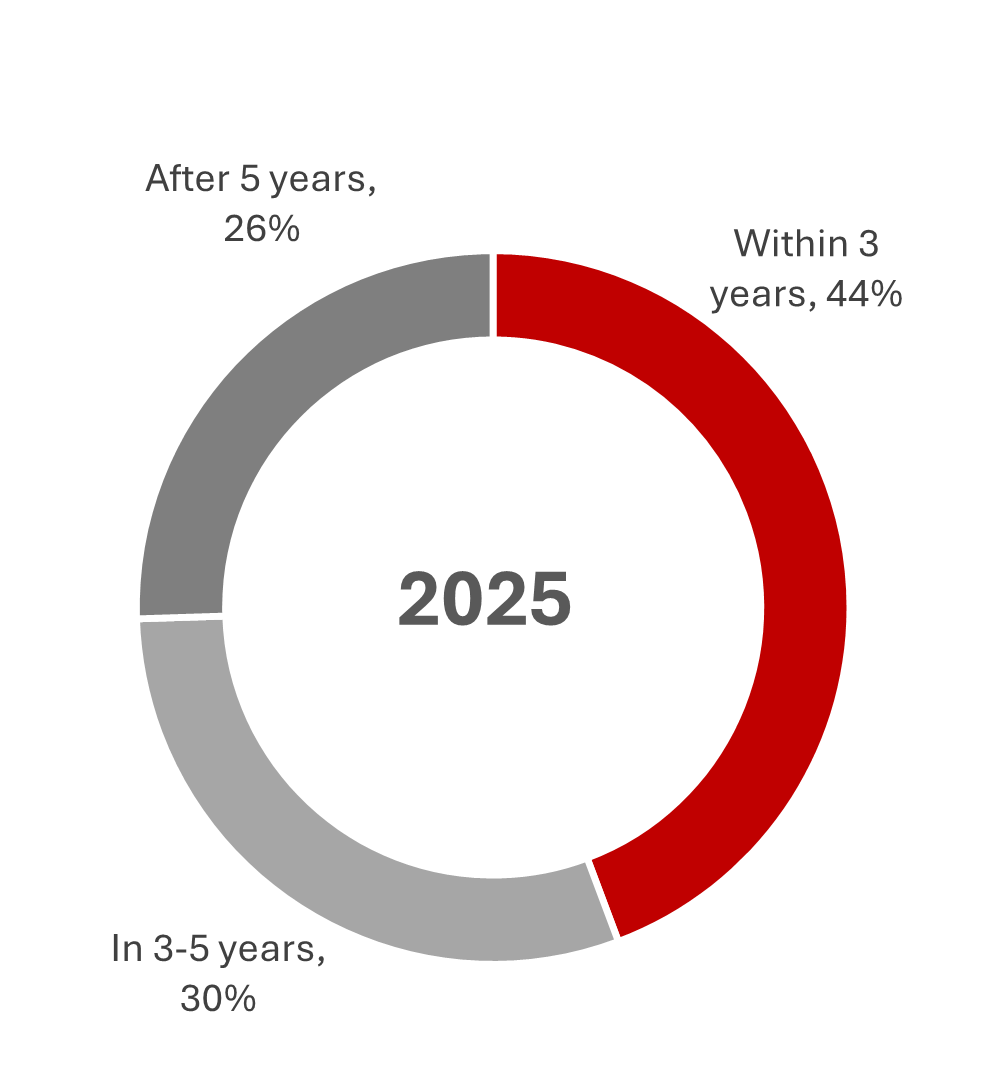
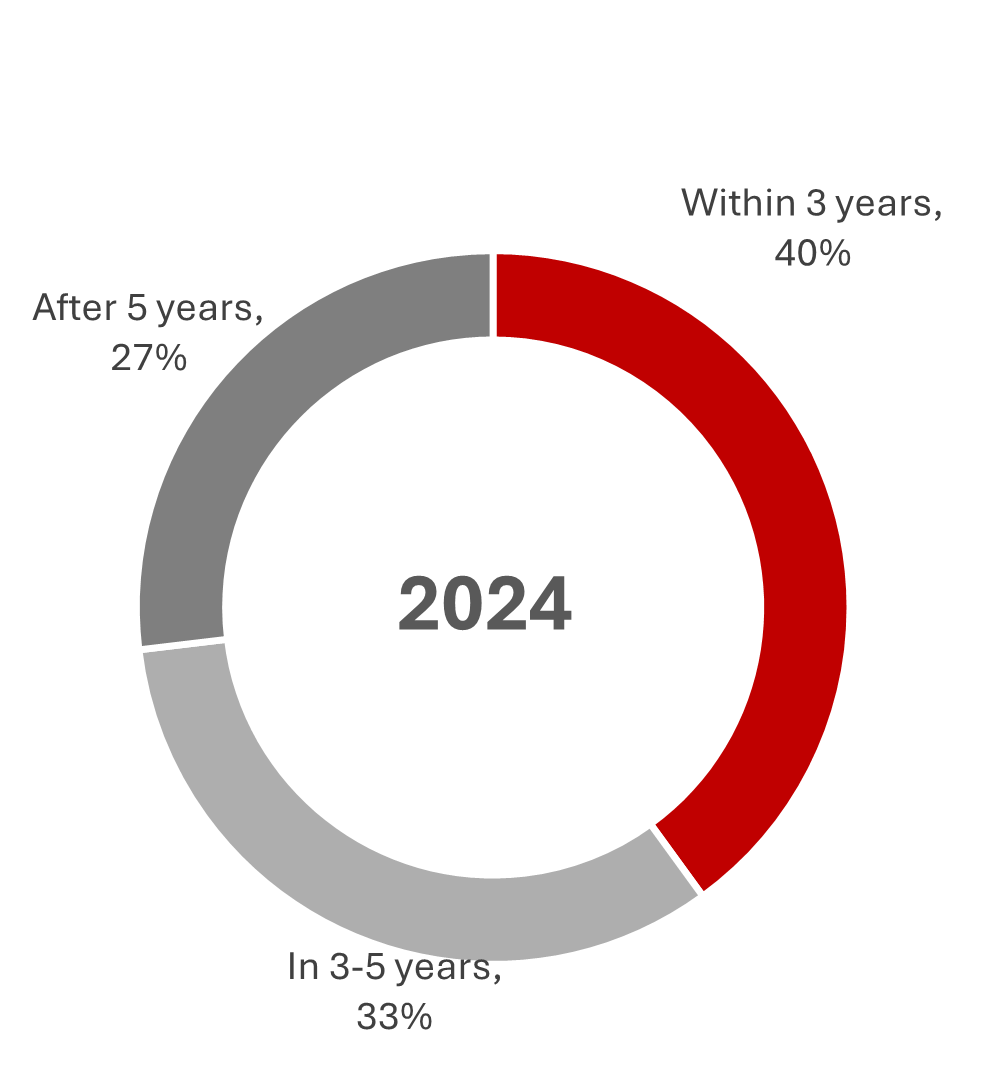
The Singapore real estate dream remains deeply intact with some 68% of respondents intend to buy a property. Among the respondents who have plans to buy a next property, 44% are looking to buy a home within three years, and another 30% are looking to buy in 3-5 years.
Chart 4: Are you planning to buy a home?
Source: ERA Research and Market Intelligence
Property viewed as a reliable investment tool: One in Four Polled Plan to Buy a New Condo in the Next Three Years
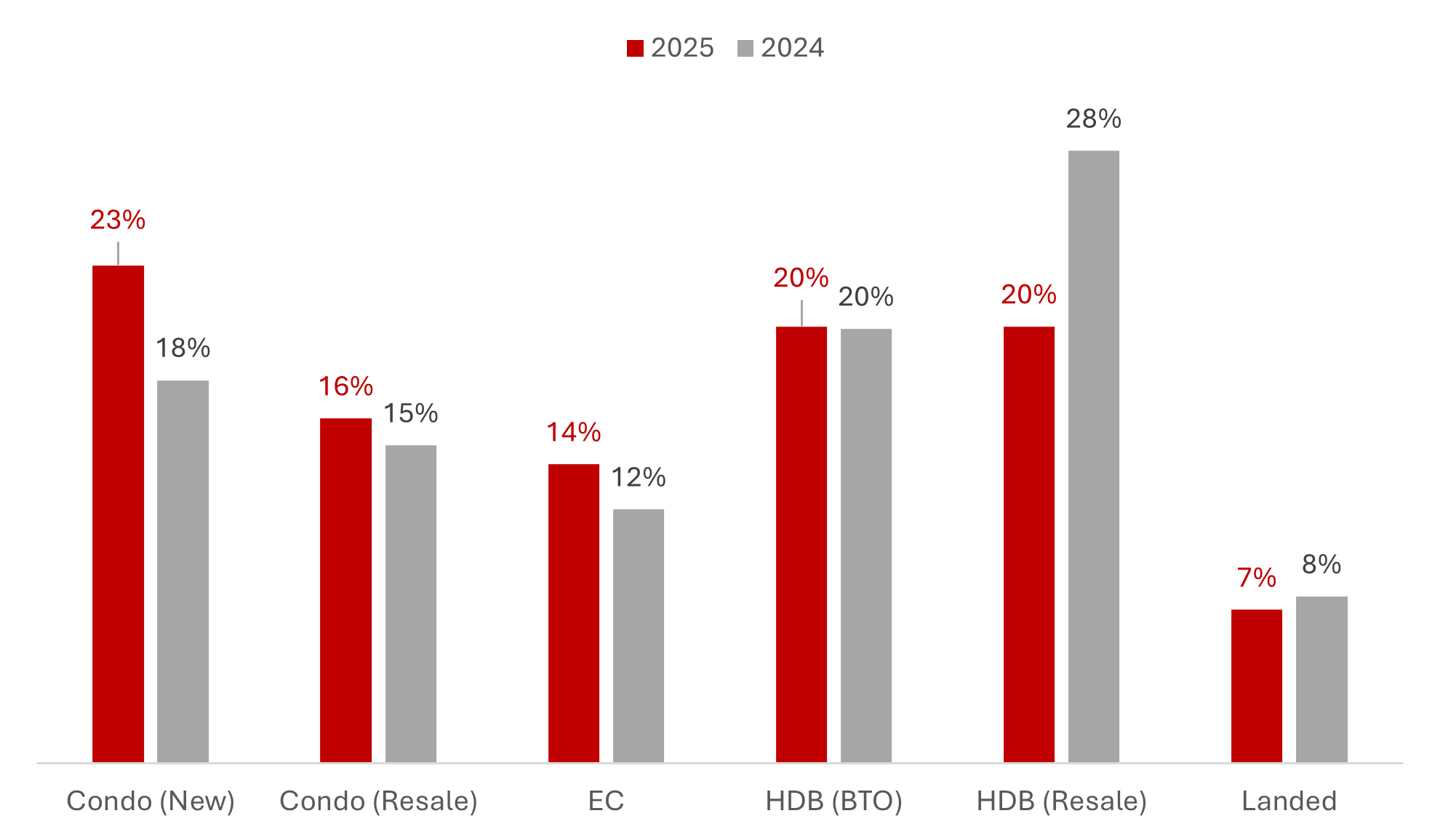
Among those looking to buy a home in the next three years, interest in both new and resale condominiums increased compared to the previous year. In particular, some 23% of the respondents were looking to buy a new condo compared to only 18% last year. Interest in acquiring an Executive Condominium (EC) also rose, from 12% to 14%.
In the landed home segment, the proportion of respondents looking to purchase remained relatively unchanged. Meanwhile, interest in BTO flats continued to hold strong. However, the share of respondents looking to buy a resale HDB flat declined notably – from 28% in 2024 to 20% in 2025 – indicating decreasing demand in the resale market, likely due to concerns around decaying leases.
Chart 5: What am I looking to buy in the next three years?
There are several factors fuelling higher interest in condo. On a broader economic level, interest rates have been declining since the Federal Reserve’s first rate cut in September 2024. Amid growing economic uncertainty, Singaporeans continue to view real estate as a safe and reliable investment vehicle for building wealth.
In fact, when polled, over 64% of respondents indicated a preference for investing in real estate over other asset classes such as fixed deposits, bonds, commodities, cryptocurrencies, and stocks.
Chart 6: I would rather invest in property than
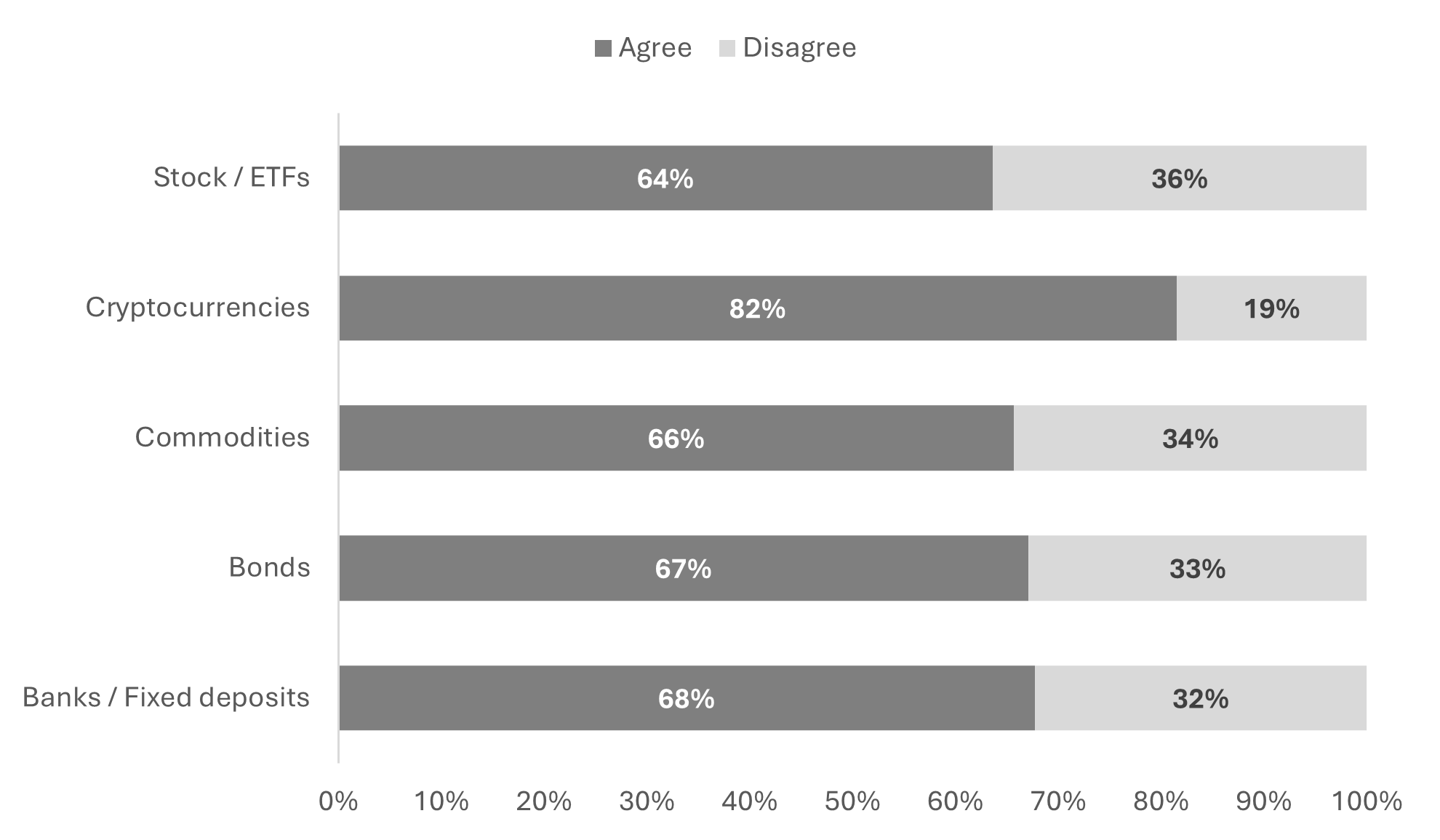
Chart 7: Where do you see yourself staying in the medium term?
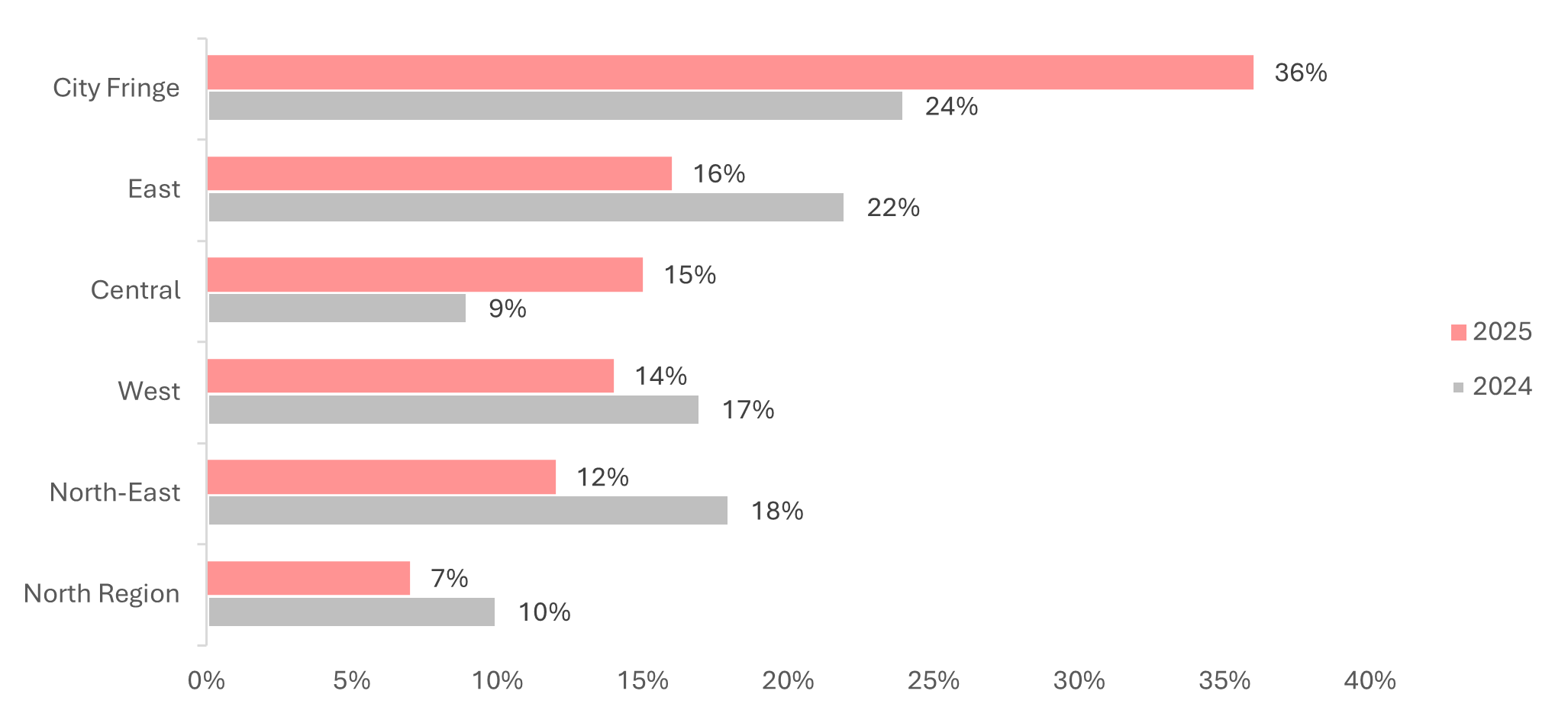
This year, a higher proportion of respondents (36%) indicated a preference for living in the city fringe compared to 2024 (24%). This is followed by the East Region (16%) and the Central Region (15%). This year marked a shift in buying patterns - unlike last year, demand was overwhelmingly skewed towards the Central Region and City Fringe. The trend could be attributed to the narrowing price gap between the RCR and CCR during the first half 2025, prompting buyers to view City Fringe and Central homes as offering better value for money.
Upsized budget for next home - reflective of rising home prices
As home prices continue to climb, Singaporeans appear ready to stretch their budgets for their next property – especially those eyeing private properties.
Among respondents, BTO buyers remain the most price-sensitive, with over 53% planning to spend between S$500k to below S$1 million, factoring in the higher prices of “Plus” and “Prime” flats. Similarly, 67% of resale HDB buyers fall within this price band, though a minority of 6% were willing to shell out S$1 to 2 million for newer and more centrally located flats.
In contrast, private condominium buyers are prepared to pay more for their dream home. More than half (54–59%) of new and resale condo buyers expect to spend between S$1 million and S$2 million, while another one in five are prepared to stretch their budget to S$2 to S$3 million.
At the top end, landed home aspirants stand out for their spending capacity - nearly three in four plan to spend above S$3 million, with 32% setting aside more than S$5 million for their next purchase.
Overall, the findings suggest that while affordability remains a concern, confidence in long-term property values remains strong. Singaporeans are recalibrating their expectations and upgrading their budgets to align with today’s market realities. The steady rise in home prices has also helped to support more homeowners in their upgrading journey, as many are now able to leverage capital gains from their existing properties.
A majority of homebuyers plan to fund their next purchase through proceeds from the sale of their current property (62%) and cash savings (59%), with nearly half (46%) also relying on a mortgage loan to complete their purchase.
Table 1: What is your budget for your future home?
Less than $500k | $500k to $1 million | $1 million to $2 million | $2 million to $3 million | $3 million to $5 million | Above $5 million | |
HDB (BTO) | 38% | 53% | 9% | 0% | 0% | 0% |
HDB (Resale) | 27% | 67% | 6% | 0% | 0% | 0% |
New Private Condo | 0% | 12% | 54% | 26% | 6% | 1% |
Resale Private Condo | 0% | 8% | 59% | 18% | 14% | 0% |
Landed | 0% | 4% | 16% | 4% | 44% | 32% |
Source: ERA Research and Market Intelligence
Transport Connectivity and Amenities Top the List for Dream Home Buyers
When it comes to choosing their dream home, Singaporeans continue to place the highest importance on accessibility and convenience.
An overwhelming 84% of respondents cited proximity to public transport as their top priority, underscoring how MRT and bus accessibility remain key drivers in home-buying decisions.
Beyond transport connectivity, daily conveniences also ranked high – with supermarkets (65%), markets and hawker centres (62%), and shopping malls (60%) among the top considerations.
Meanwhile, parks and green spaces (41%) and neighbourhood shops (31%) were valued for the balance they bring between convenience and quality of life.
Lower on the list were educational institutions (29%), hospitals (27%), and coffeeshops (22%), while only 16% prioritised expressways access, suggesting a preference for walkable, well-connected neighbourhoods over car-dependent ones.
Overall, the findings suggest that as home prices continue to rise, Singaporeans are expecting more from their dream home, prioritising mobility, convenience, and lifestyle amenities, and becoming less willing to compromise on what truly matters.
PRESSURES
Cooling Measures and Rising Prices Remain Key Barriers to Property Purchase
Even with a strong interest in property ownership, some Singaporeans continue to face significant challenges when making their next move.
The biggest hurdle remains the Additional Buyer’s Stamp Duty (ABSD), cited by 32% of respondents as a key deterrent. This sentiment reflects how cooling measures, while effective in stabilising the market, have also created obstacles for some upgraders and investors.
Buyers who wish to purchase a new home often need to sell their existing property before signing the purchase agreement to avoid ABSD - a process that frequently requires renting in the interim, adding both financial and logistical strain in the upgrading process. Another 29% of respondents said they simply cannot afford property in today’s market, underscoring persistent affordability pressures despite steady income growth. Rising prices and larger upfront commitments continue to stretch household budgets, especially for first-time buyers.
Meanwhile, 17% pointed to high property taxes as a barrier to owning investment properties, while 15% shared that they have yet to find a home that fits their needs.
Four in Five feel it is Getting Harder for Young Singaporeans to invest in Property
According to survey findings, four in five of all the respondents believe it is somewhat harder or much harder for young people to invest in property today, compared to before.
This perception that homeownership is increasingly out of reach may help explain why young buyers are taking longer to enter the property market. While the BTO route is still seen as the most attainable entry point, the reality is more complex - high subscription rates and limited flat supply continue to make it challenging for Young Singaporeans to secure a BTO flat.
Even in the resale market, desirable units that are newer or more centrally located often come at a cost, placing them beyond the reach of many first-time buyers.
In closing
The findings from the “My Dream Home” survey reaffirm that Singaporeans’ aspiration for homeownership in Singapore remains steadfast, even amid rising prices. As affordability pressures mount, so do expectations. Today’s Singaporeans want more from their homes. After all, if Singaporeans are paying more, they want the best homes.
Many are adjusting by upsizing their budgets, underpinned by confidence in the long-term value of the property asset. Yet beyond investment and returns, the belief in what a home represents - security, identity, and a sense of belonging - remains deeply rooted in the Singaporean psyche.
I confirm that I have read theprivacy policy and allow my information to be shared with this agent who may contact me later.
