
No More SERS? Here’s How VERS Will Shape the Fate of Older Flats
- Ethan Hariyono
- 6 min read
- Blog
- 14 Aug 2025
Disclaimer: The Voluntary Early Redevelopment Scheme (VERS) is still under development, and the government may revise its technical details and conditions in future. The information in this article is accurate as of 13th August 2025 but may change over time.
What do you do when your childhood home, the place where fond memories of playing catching and games with friends and countless home-cooked meals were shared, starts to show its age?
This question has more straightforward answers when it comes to private property in Singapore. Private property on freehold land can stand as long as physically possible – in the case of landed property, the house itself can be rebuilt as and whenever a refresh is needed. Leasehold private properties, like many condos, may enter an en-bloc sale as the lease runs its course, have its land lease topped up, and a new development take its place. But what about HDB flats?
Ever since HDB flats were built, they have taken many shapes and forms. We have transitioned from short corridor blocks of the past to towering prime projects with integrated amenities and much more.
However, as time goes by, what happens to these flats, as mentioned earlier, that are approaching or past the half-century mark?
Introducing: The Selective En-Bloc Redevelopment Scheme
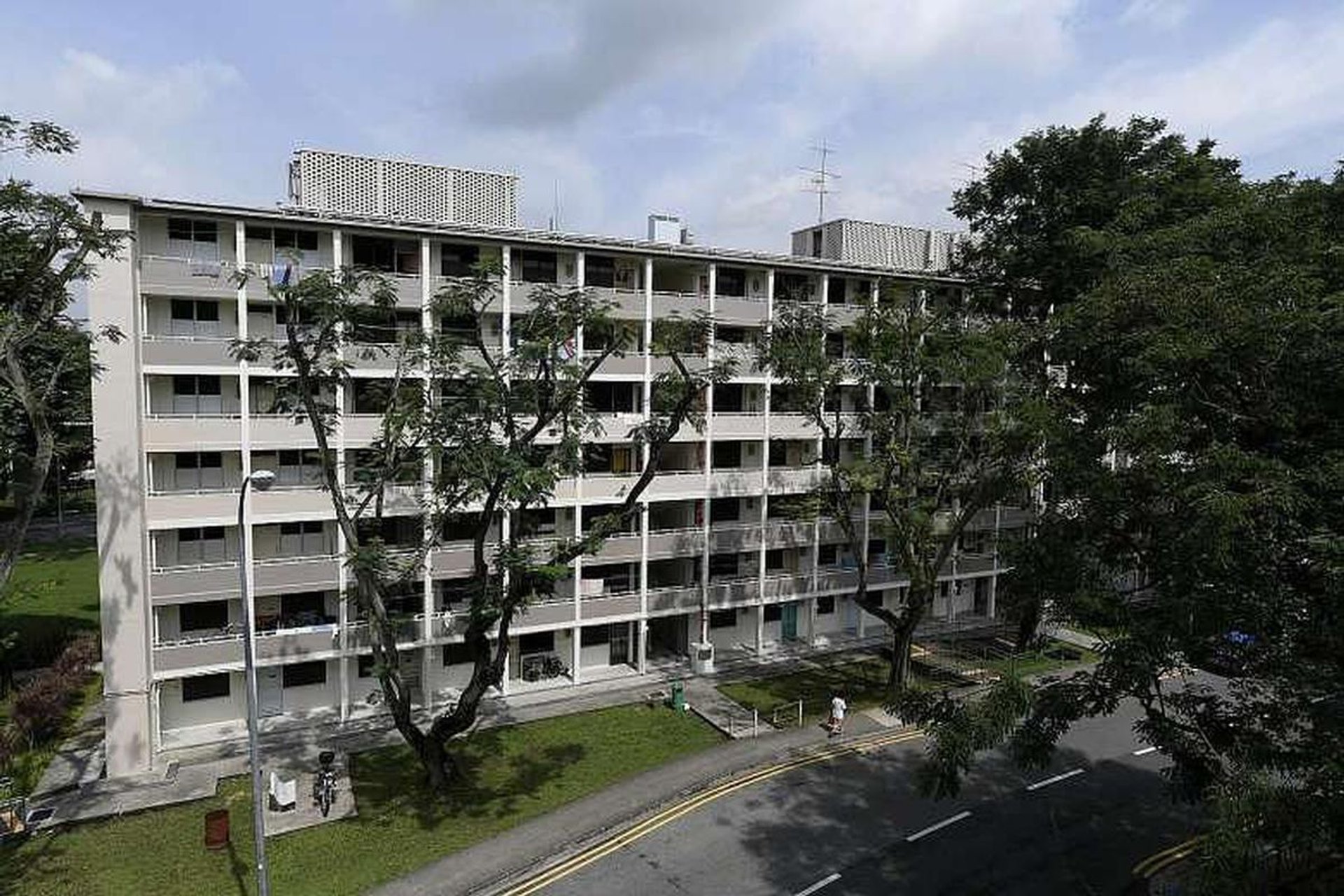
The Selective En-Bloc Redevelopment Scheme (SERS) is a program introduced by the HDB to redevelop older public housing flats in areas with high redevelopment potential.
To put it simply, HDB conducts the en-bloc redevelopment of eligible flats. Current owners of these homes would be offered compensation for the homes that are compulsorily acquired.
This caught the attention of many Singaporeans, particularly those who stayed in areas with similar attributes to where SERS exercises were taking place. Many of these homeowners were patiently waiting to see if their payday would come, along with the opportunity to get a new home in a familiar location at a much lower price, and most importantly, with a fresh lease.
Introducing VERS
So far, 82 SERS projects have been announced, with 77 completed. However, Minister for National Development Chee Hong Tat has stated that the government does not intend to continue with SERS to redevelop older public housing estates. Instead, the government will prioritise developing the Voluntary Early Redevelopment Scheme (VERS).
VERS is a voluntary scheme approved by residents that will be available in certain HDB precincts, usually for flats around 70 years old. Flats at this age may have become increasingly physically outdated, which might lead homeowners to choose VERS – requiring a majority vote.
For now, exact details of VERS are not entirely known, but here is what we know about their differences:
Table 1: Key differences between SERS and VERS
| Feature | SERS | VERS |
| Initiated by | Government, with compulsory acquisition | Government, with resident vote |
| Selection Criteria | Selective blocks (rare) | For flats not chosen for SERS, with around a 30-year remaining lease |
| Compulsory | Yes | No – it’s voluntary |
| Compensation | Market value + new subsidised flat nearby | Some compensation (less generous than SERS) |
| Replacement Flat | Guaranteed a new flat in a nearby area | Unknown for now |
| Timing | Happens earlier when flats are <50 years old | Happens later, when flats are around 70+ years old |
| Frequency | Rare | Expected to be more widely applicable, but later |
Source: HDB, ERA Research and Market Intelligence
In the same announcements made during the 2025 National Day Weekend, although VERS was first announced in 2018, it is unlikely that any VERS exercises will be conducted before the 2030s, as flats in Singapore have yet to reach the 70-year threshold that would require redevelopment.
Why are these schemes important?
In an era when property investment is more common than ever, homeowners often feel they might miss out and believe they could be at a disadvantage as their homes age. Moreover, implementing redevelopment schemes to upgrade older estates and create new, taller, and improved homes that match the changing estates and landscapes in Singapore’s residential towns is crucial.
When SERS began to develop across the country, there was widespread discussion and excitement surrounding the initiative. Suppose you were one of the few homeowners of flats selected for SERS. In that case, you would receive compensation based on the market value of your current unit, a housing grant if you purchase a larger flat, and priority allocation for a new flat in a designated nearby replacement project.
There have even been reports of people attempting to predict where the next SERS exercise would occur and trying to get a share of the benefits by purchasing property there.
However, such speculative behaviour has always been strongly discouraged by the government. Flats subject to SERS are not announced well in advance, and buyers are advised not to purchase homes hoping for SERS. During the National Day Rally 2018, then-PM Lee Hsien Loong mentioned that “only around 5% of flats are suitable for SERS” and that the “more promising projects with high redevelopment potential have already been done”.
When Will We See VERS Take Place?
Fast forward to today - it has been confirmed that there are no plans for further SERS exercises. Instead, the government will begin preparing VERS for the 2030s.
Minister of National Development Chee Hong Tat has stated that “We will continually review our processes as we go along, and progressively scale up VERS by the late 2030s,” he said. “We plan to progressively offer VERS to selected estates in different parts of Singapore.”
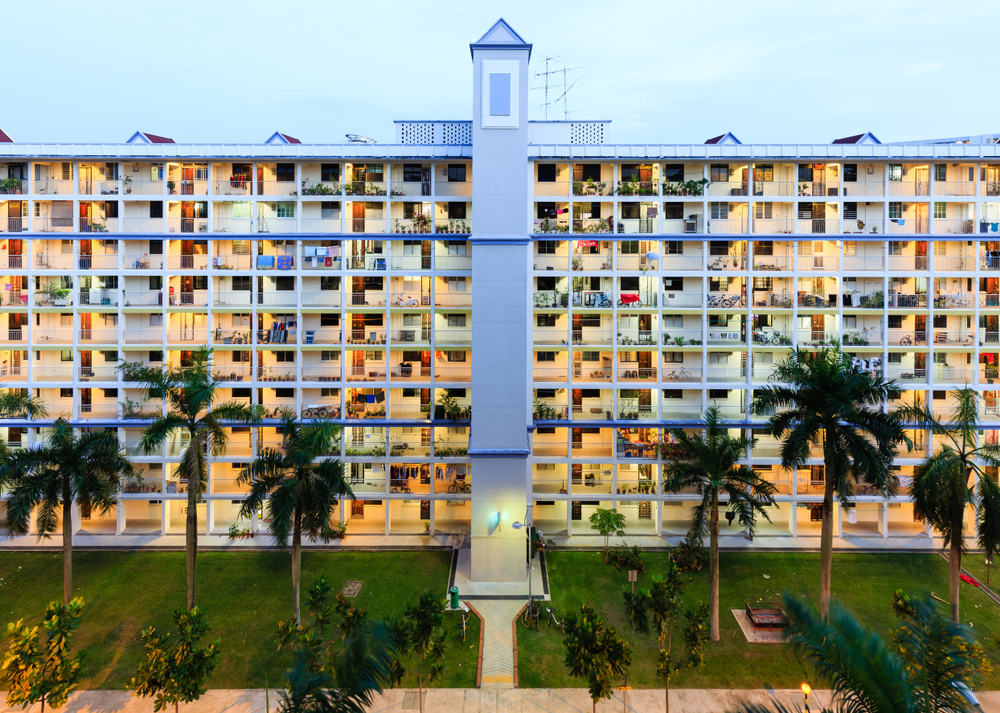
Performing a quick scan across the HDB flats islandwide, we can expect these selected estates to include Queenstown, Bukit Merah, and Toa Payoh, some of Singapore’s original housing towns with older flats that were not chosen for SERS, as well as the residential towns of Ang Mo Kio, Bedok, Tampines, and Yishun, which were rapidly developed in the 70s to meet Singapore’s urgent public housing needs. Houses in these estates will reach the 70-year mark by the late 2030s, making them eligible for VERS.
Table 2: HDB blocks built in 1970s and 1980s
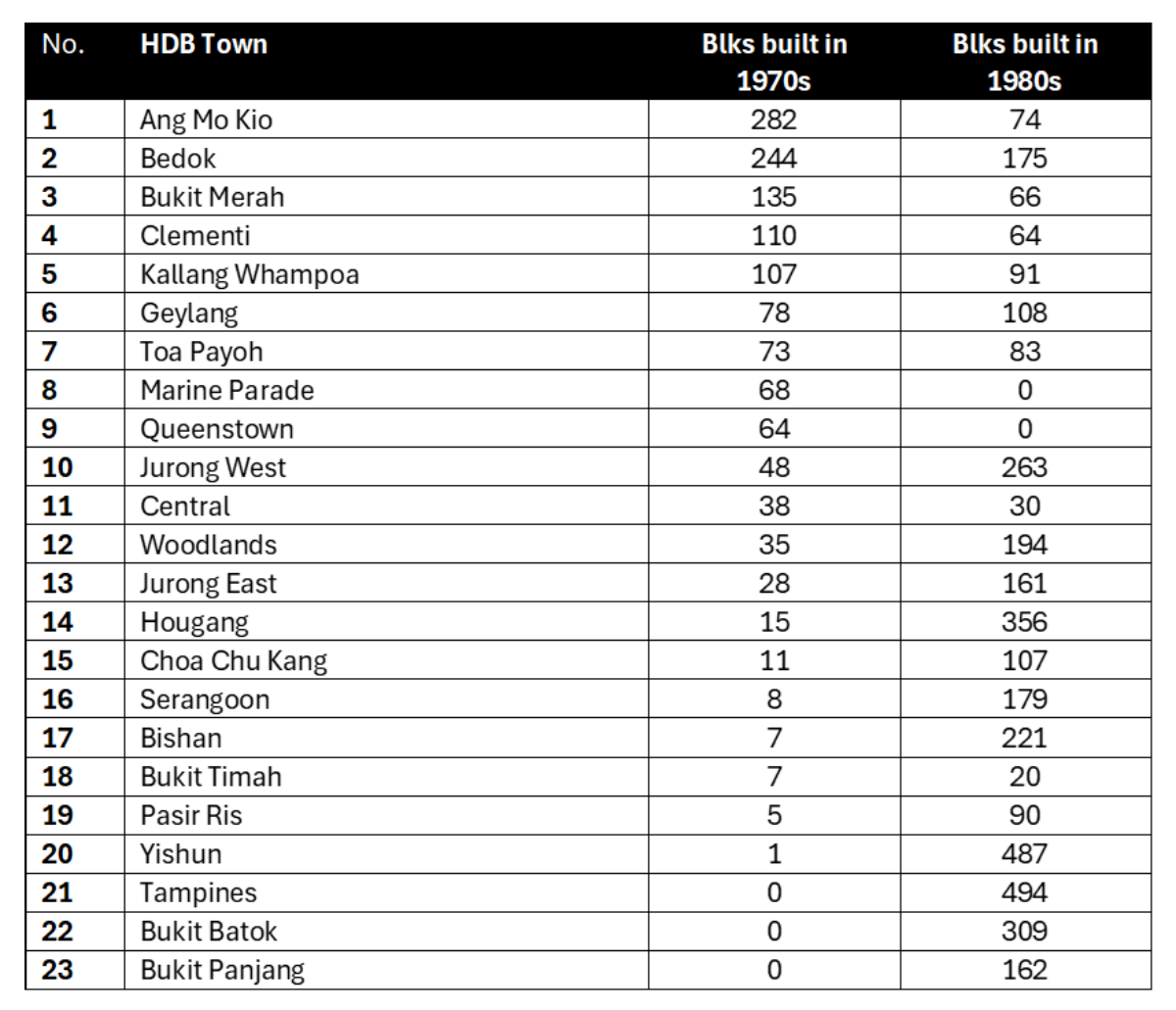
Source: data.gov.sg, ERA Research and Market Intelligence
What Could be the Challenges in Introducing VERS
Since it is a voluntary scheme, the government must find ways to ensure that the framework is strong, enabling participants to receive fair compensation while maintaining its sustainability for the government.
Minister Chee also mentioned that VERS is a “very long-term, very complex policy that will not only have to be fair to the current generation of flat owners, but must also be financially sustainable for future generations”.Monetary compensation for VERS is expected to be less attractive than SERS, which is generally regarded as very expensive (since the government must pay market prices for SERS flats, including high-value prime areas), leading to their specific and strategic site selections in the past.
Therefore, the government is spending the next few years refining their policy and consulting the public to ensure that compensation is fair and that they are incentivised to participate in VERS readily.
Meanwhile, in the resale market, buyers of older flats are unlikely to purchase them for the possibility of SERS, but rather because of their advantageous locations or the lower price due to a shorter lease. They could be encouraged to buy these older homes for their locational attributes, knowing there is a chance to recover some of their investment through a possible VERS exercise in the future.
I confirm that I have read theprivacy policy and allow my information to be shared with this agent who may contact me later.
