
If You’re Eyeing a City Fringe Condo, Here Are Three Reasons Why Queenstown Is the Estate for You
- Egan Mah Jixiang
- 7 min read
- Blog
- 18 Sep 2025
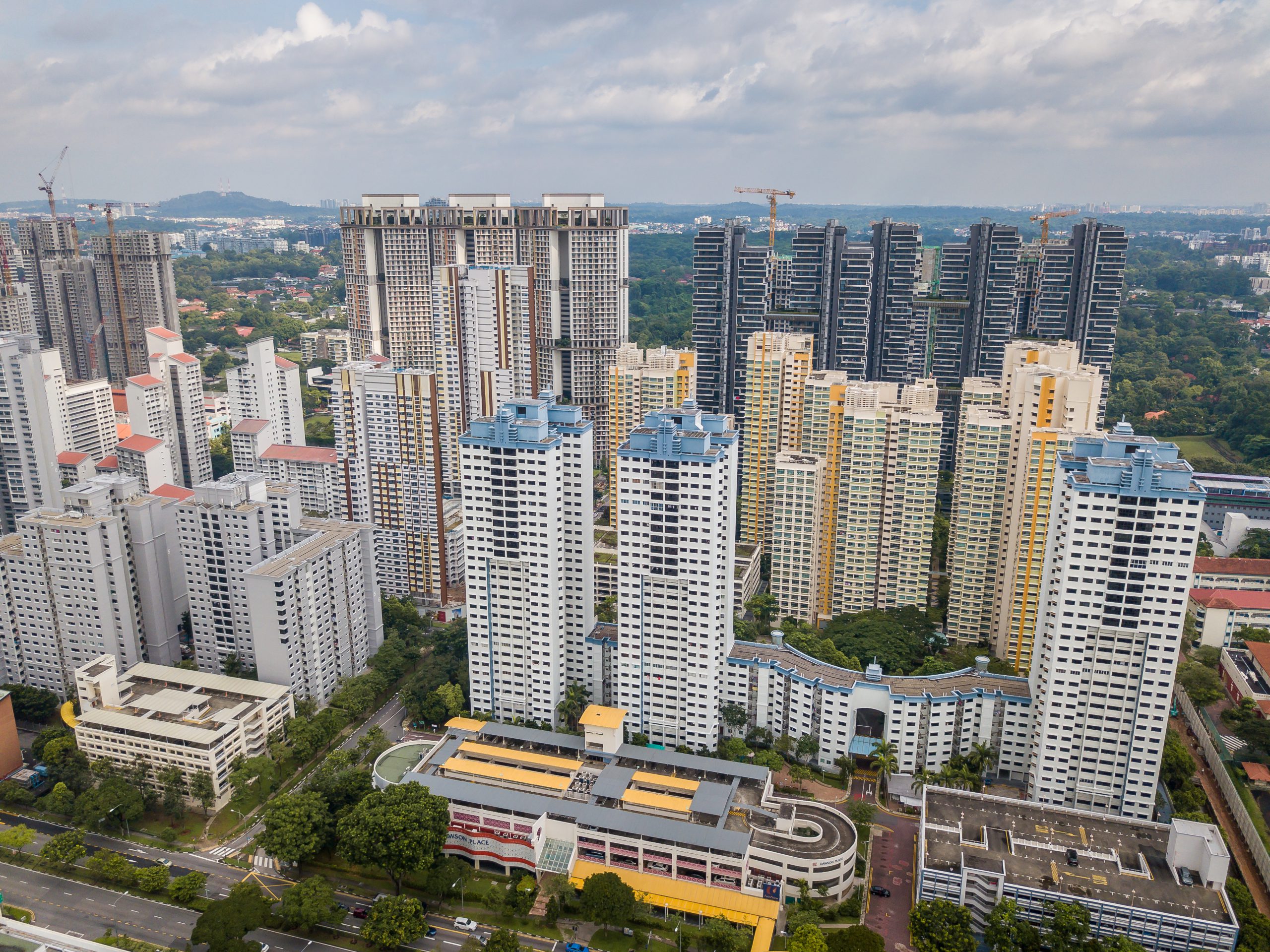
Queenstown, developed in the 1950s, was Singapore’s first satellite town. Built by the Singapore Improvement Trust (the predecessor of HDB), it was created to ease overcrowding in the city and tackle a post-war housing shortage. After the success of public housing in nearby Tiong Bahru, Queenstown was chosen as the next step in Singapore’s housing journey.
Planned and developed as a satellite town (commonly known as a ‘heartland’), this meant Queenstown was one of the first self-sufficient housing estates. It had its own amenities such as schools, shops, polyclinics, religious spaces, as well as sporting and entertainment hubs, all within reach of the residents.
Hence, many of Singapore’s ‘firsts’ were in Queenstown – the first technical school, polyclinic, and library. In 1975, Queensway Shopping Centre, then the largest mall in Singapore and which eventually developed its unique identity for its wide selection of sporting goods.
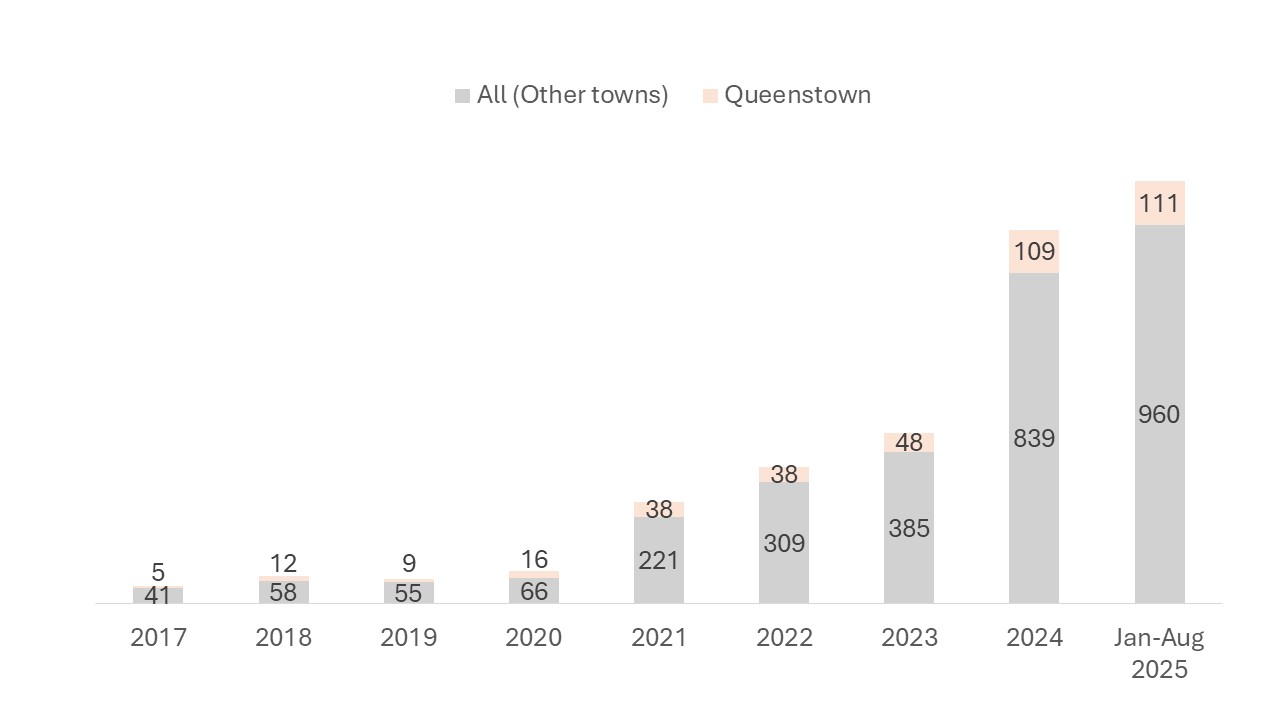
Today, Queenstown stands as one of Singapore’s most popular housing estates, offering the sense of charm and nostalgia. Being one of the oldest estate, Queenstown has undergone rejuvenation several times, to allow its relevance to residents. Its strategic central location, being well-connected makes it popular among home buyers. Hence, it is little wonder as to why we have seen 388 million-dollar flats since 2017. From January to August 2025, there has been 113 of such transactions.
Chart 1: Number of million-dollar flat transactions
1. Location and Lifestyle
Queenstown is in the Central Region of Singapore, bordered by affluent areas such as Bukit Timah and Tanglin, with several near Good Class Bungalow (GCB) enclaves Moreover, it is in close proximity to popular spots such as the famed Orchard Road shopping belt, Holland Village and Dempsey Hill. The latter two are known for trendy cafes, and boutique shops and top restaurants.
Apart from those working in the Central Region, it is also near Buona Vista and the Greater one-north area. More recently, the Urban and Redevelopment Authority has revealed the 2025 Draft Master Plan. An area that will see more transformation and rejuvenation is Dover-Medway, part of the Greater one-north. These are offices and high-tech industrial estates, which is a major employment node. Queenstown will be a viable option for those working there, situated midway between the city centre and one-north.
Image 1: Towns in Central Region of Singapore
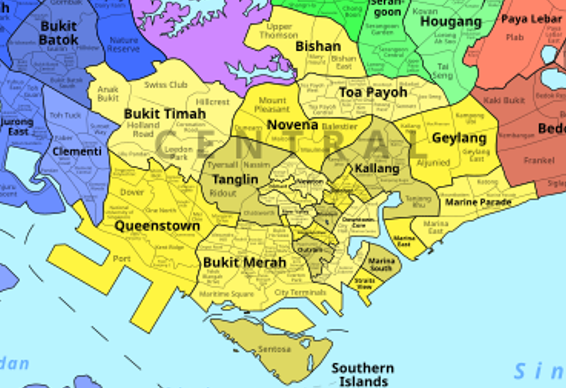
*Towns indicated in yellow are part of the Central Region
2. Abundant Amenities
Being Singapore’s first satellite town, Queenstown remains well-served by a diverse range of amenities. These include hawker centres, parks and green spaces, schools, and a polyclinic.
This convenience that these amenities bring makes the estate highly desirable amongst home buyers as most needs can be met without leaving the town.
Alongside the markets and food centres, Queenstown’s HDB estates are home to many shops and merchants, offering goods and services such as bakeries, supermarkets, sundries stores and more. More cafes including those selling specialty coffees, artisanal cakes and even wine bars have popped up in recent times.
Image 2: Amenities in Queensway (To upload high rest image)
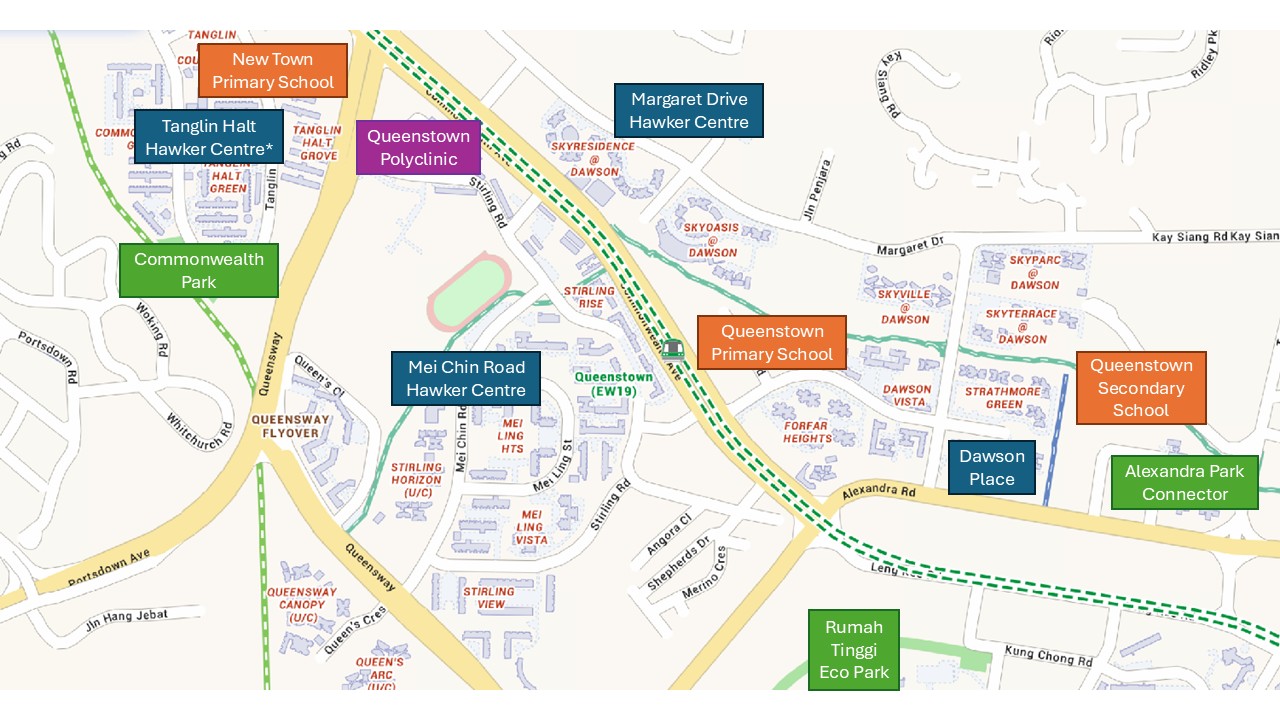
*Tanglin Halt project is still under construction
As part of the rejuvenation of Queenstown, a new integrated development which will comprise shops, a hawker centre, a market, and the new Queenstown Polyclinic will be developed. It will be part of the Tanglin Halt Build-to-Order (BTO) project, estimated to be completed in 2029. By end-2025, the newly refurbished Queenstown Sport Centre will also be completed.
Moreover, to improve the liveability factor and enhance the appeal of the estate, more green spaces will be progressively added. Firstly, a new park of approximately 1.4ha has been planned. It will incorporate space currently occupied by the Alexandra-Queensway Park Connector. Another linear park (green corridor) will be added to enhance walkability and bike-ability to the Rail Corridor.
3. Mature Estate that sees Evergreen Demand
With these desirable locational attributes, it is little wonder that Queenstown has seen steadily rising HDB resale prices and the number of million-dollar flats. In fact, the record transacted HDB flat is in Queenstown. In June 2025, a 122 sqm 5-room flat in Dawson Road was transacted for $1.66 million.
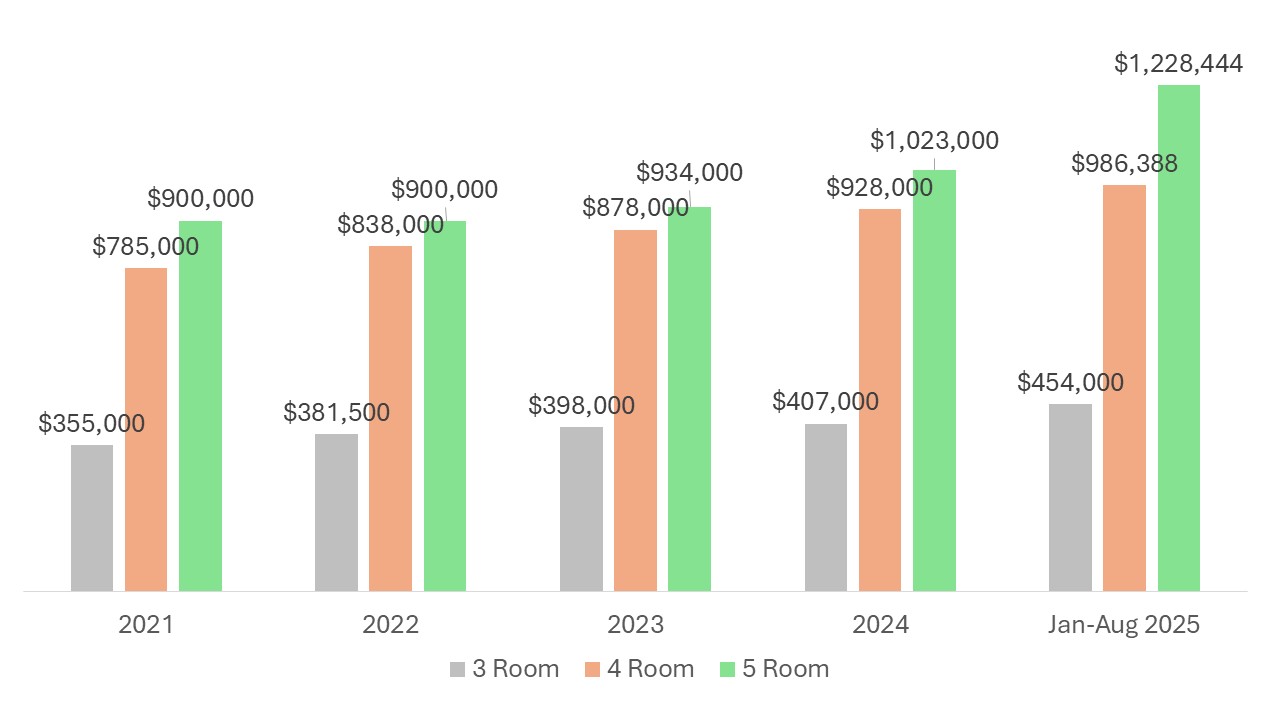
HDB resale prices of flats in Queenstown have all risen for the past few years. Since 2021, the median resale price of a 3-, 4- and 5-room flat have risen by 26.5%, 25,8% and 33.3% respectively.
Chart 2: Median HDB Resale Prices in Queenstown
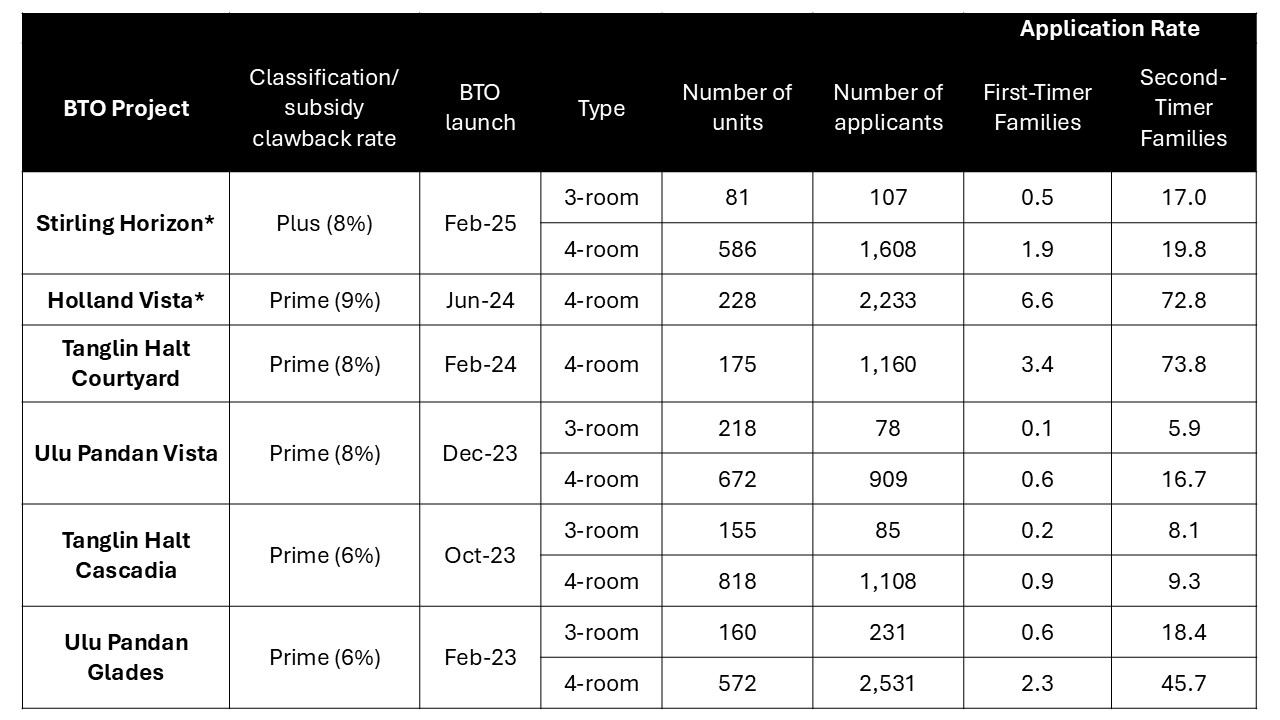
To ensure HDB prices remain affordable, HDB has reclassified new BTO flats to ‘Prime’, ‘Plus’ and ‘Standard’. With strong locational attributes, new flats in Queenstown have been classified as either ‘Prime’ or ‘Plus’ flats. They come with more stringent resale conditions such as a 10-year Minimum Occupation Period (MOP) and a subsidy clawback upon sale in future. Despite these conditions, the flats were still over-subscribed.
The first ‘Prime’ flat in Queenstown, Ghim Moh Ascent, was launched in May 2022. This means that flats launched prior would reach their MOP before 2030. This allows these buyers to upgrade to a private property in future.
Table 1: BTO application rates for projects in Queenstown for 3-room and larger flats
4. Yet To See a New Private Launch in Seven Years
Private properties also saw keen interest among homebuyers. The last launches in Queenstown (excluding launches in one-north and Holland) was in 2018. Margaret Ville and Stirling Residences were launched in June and July 2018 respectively. This was just prior to the increase in Additional Buyers’ Stamp Duty (ABSD) which were announced in July 2018. Singaporeans and Singaporean Permanent Residents buying their second property increased to 12% and 15% respectively, while foreigners faced a 20% rate.
Margaret Ville (309 units) and Stirling Residences (1,259 units) achieved a take-up rate of 33.0% and 22.6% respectively within their first month of launch. Despite cooling measures, they managed to sell a robust 57.9% and 56.9% of units respectively in their first year of launch. These sales performances underscore Queenstown’s enduring appeal among homebuyers.
With no new launches in Queenstown for seven years, there could be pent-up demand. With no new options, it could possibly be why more homebuyers are willing to pay premium prices for new and larger resale flats. Buyers may be upgrading within the HDB market due to a lack of private home options.
Conclusion
Queenstown’s appeal can be tributed to its comprehensive range of amenities, proximity to established educational institutions, and strong transport connectivity. A lack of fresh supply of new homes in Queenstown in recent years may also result in strong interest among homebuyers. HDB upgraders with their paper gains from their million-dollar flats could be eyeing this development.
Moreover, being amongst the first few towns developed, most of its sites have already developed. This limits the pipeline for new condominium projects. Currently, aside from ongoing developments in one-north, the only upcoming launch is Penrith, comprising 462 units. Given the scarcity of new supply, its release is expected to attract strong interest from both buyers and investors. With this shortage and evergreen demand, property prices in Queenstown are poised to see steady growth in the years to come.
Interested to know more about what the Queenstown and Penrith offer? Speak to any ERA Trusted Advisor today to find out more!
I confirm that I have read theprivacy policy and allow my information to be shared with this agent who may contact me later.
