
URA’s Draft Master Plan 2025: Change is Coming, But Where and How Exactly?
- Stanley Lim
- 9 min read
- Blog
- 21 Aug 2025
Change is coming. Earlier this year, the Urban Redevelopment Authority (URA) announced its Draft Master Plan for 2025, which outlines Singapore’s land use and development over the medium term. As it takes shape, we’ll witness the rollout of new housing neighbourhoods, commercial centres, as well as meaningful efforts to preserve our environment, nature, and heritage.
But beyond shaping the built and natural environments of Singapore, how else will the Draft Master Plan 2025 set the stage for future development?
What is the Master Plan? And what’s new in the 2025 Draft Master Plan?
Over the decades, Singapore’s land use has been shaped by six finalised Master Plans released every five years from 1958 to 2019. The latest Draft Master Plan 2025 – along with its eventual finalised version – will continue this tradition with forward-looking strategies pursuing further urban development.
Among these strategies is Singapore’s long-term push for decentralisation, which was first set in motion through the 1991 Concept Plan. Since then, this approach of developing regional nodes has shaped our nation’s development, paving the way for areas like Tampines, Changi, Jurong, Woodlands and Punggol to emerge as business hubs.
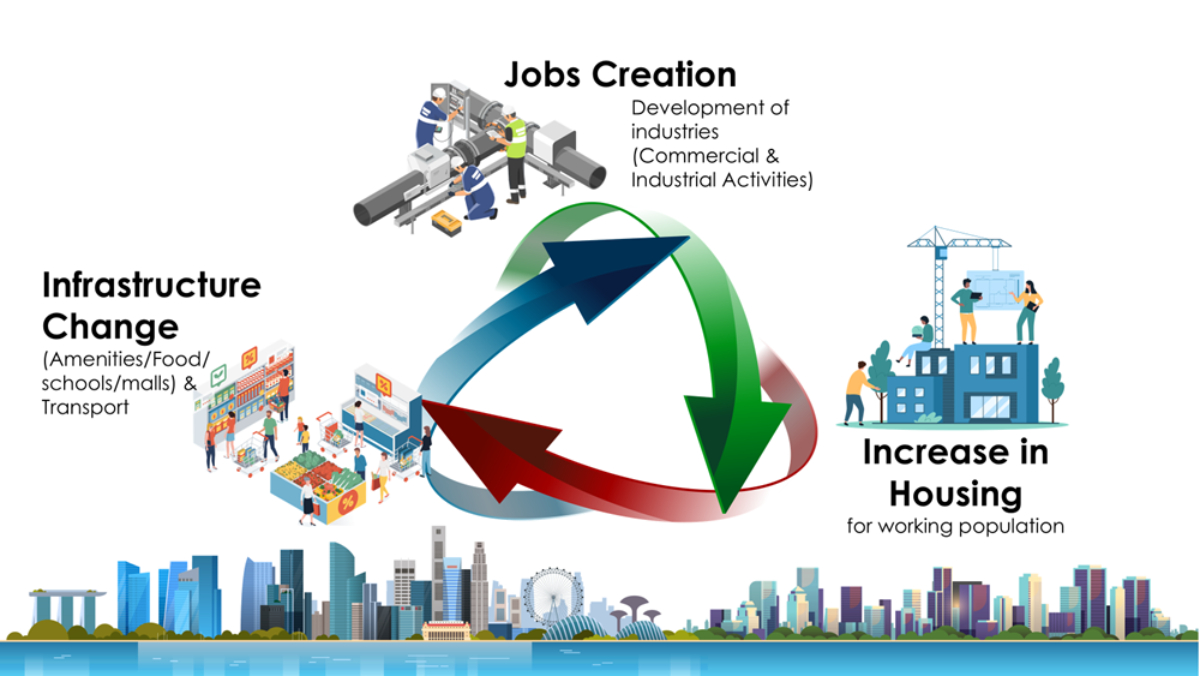
More importantly, however, is the role of decentralisation in shaping the interplay between the three building blocks of Singapore’s economic growth: housing, infrastructure, and jobs.
As more new housing estates are built outside the city core, outlying neighbourhoods gain the capacity to support larger populations. This growth necessitates the creation of new infrastructure, such as transport networks, commercial spaces – or even specialised office centres or industrial parks. In turn, these amenities lay the groundwork for businesses to take root, thereby expanding Singapore’s industries and promoting job creation.
Over three decades later, this effective focus on decentralisation remains central to the expansion of Singapore’s business ecosystem and its residential areas. Similarly, the Draft Master Plan 2025 remains grounded in the urban planning strategies and collaborative approach that informed Singapore’s early development, even amidst a shifting global political-economic landscape.
This continuity is evident in the four key themes underpinning the Draft Master Plan 2025:
- Creating more well-connected homes and residential precincts across the island
- Enabling sustainable growth that supports the evolving needs of our nation, businesses, and workers in an open economy
- Safeguarding a liveable future by guarding against climate change and optimising land use
- Celebrating our built heritage and enhancing familiar places
Curious about what these themes mean in practice? We’ve put together a quick guide summarising all the key highlights below.
More homes and new neighbourhoods being built
With more than 80% of Singapore’s residents living in HDB flats, it’s no exaggeration to say that housing is at the heart of our nation’s urban planning. As outlined in the Draft Master Plan 2025, the next phase of growth will see new neighbourhoods being introduced as part of a greater push towards a more liveable, decentralised Singapore.
These fresh communities will comprise of both public and private residential estates designed with convenience and connectivity in mind. Following earlier announcements for new neighbourhoods at Bukit Timah Turf City, Pearl’s Hill, Marina South, Mount Pleasant, and the former Keppel Golf Course, we’ll see the next wave of housing at:
- Dover-Medway (Greater one-north)
- Former Singapore Racecourse (Kranji)
- Newton, Paterson (Orchard Road)
- Paya Lebar Air Base
- Sembawang Shipyard
Dover-Medway (Greater one-north)
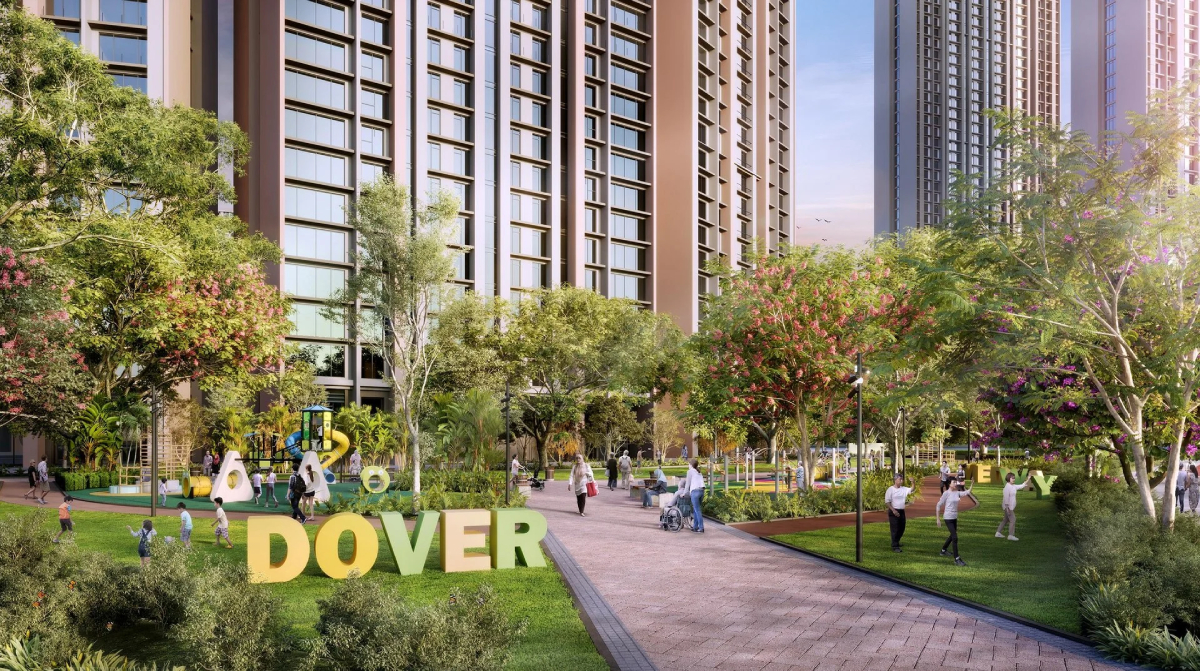
As part the Greater one-north knowledge hub, the future Dover-Medway neighbourhood could see as many as 6,000 new homes being built in the area. This incoming supply of public and private housing will be sited east of one-north and Kent Ridge MRT stations, with preparatory steps toward future development expected to commence later this year.
Former Singapore Racecourse (Kranji)
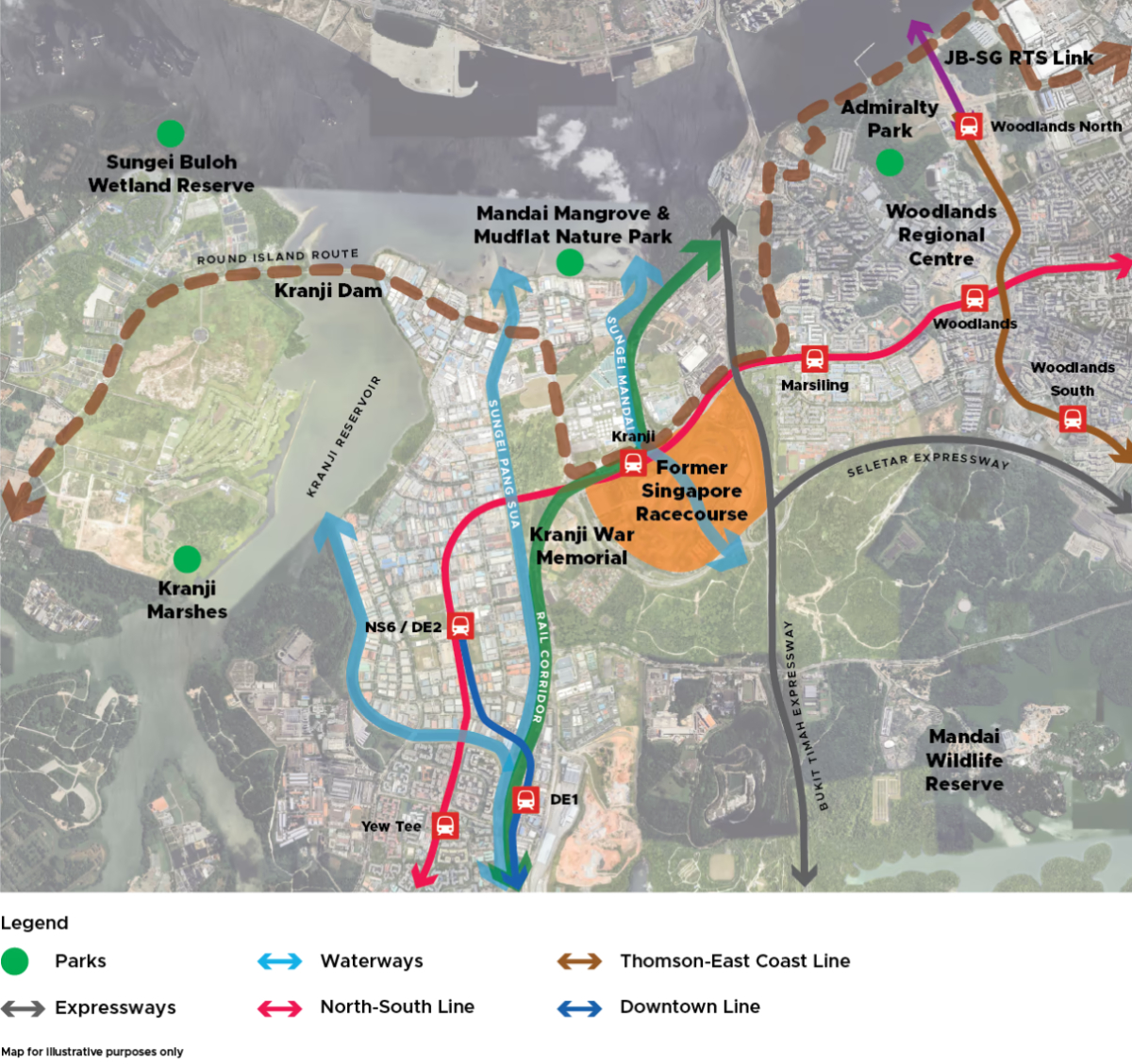
Further up in the northern region, the former Singapore Racecourse could receive a new lease of life with its potential transformation into a residential estate. If it comes to fruition, this redevelopment could bring around 14,000 new public and private homes to the area, significantly boosting future housing supply.
In addition to the rare opportunity of living at nature’s doorstep, future residents may also see new amenities being introduced nearby. These include a possible new neighbourhood centre beside Kranji MRT station, as well as fresh leisure and sports offerings.
Newton, Paterson (Orchard Road)
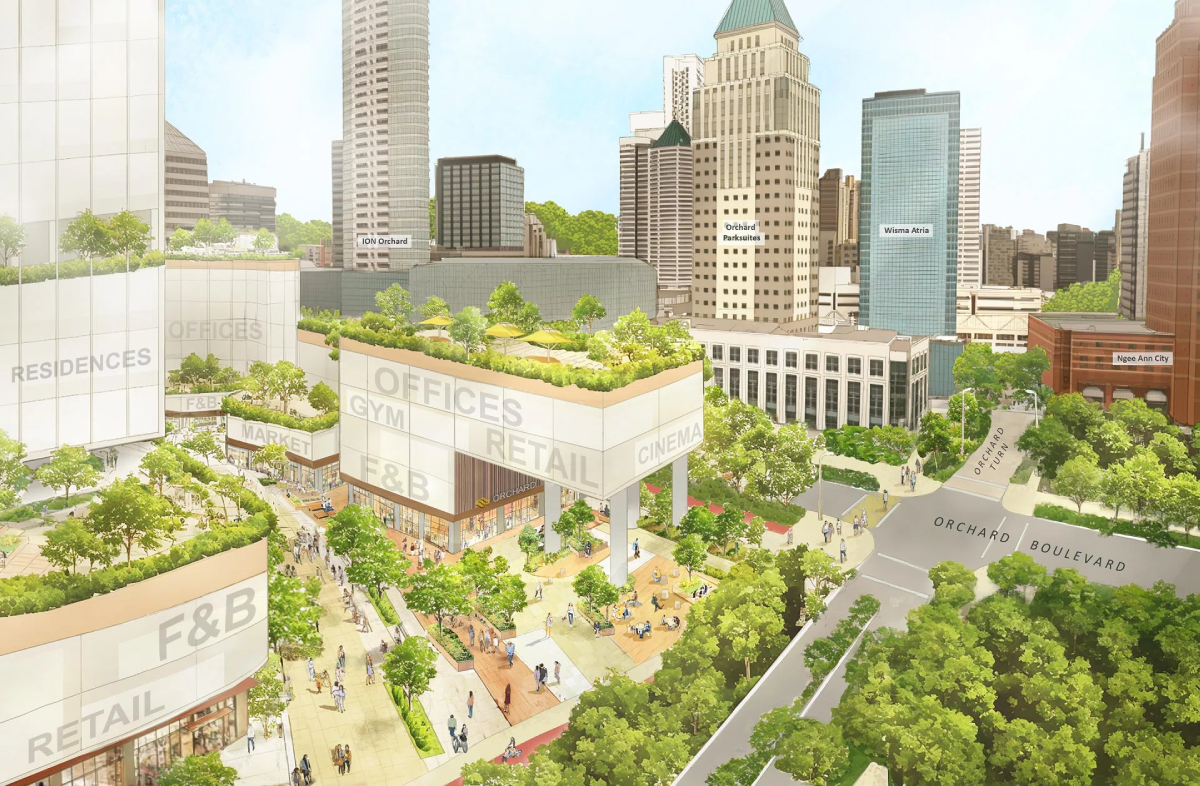
Within Singapore’s central core, more residential options could be on the horizon for Newton and Orchard. These expanded offerings – potentially comprising up to 5,000 new private homes in Newton and 1,000 in Orchard – will give Singapore residents more opportunities to live closer to the city centre.
In Newton, three clusters at Newton Circus, Scotts Road and Monk’s Hill are being developed as part of a new neighbourhood.
Meanwhile, plans are underway to reshape the Paterson neighbourhood into a vibrant mixed-use hub via the construction of a new integrated development. Sited right above Orchard MRT station, this future landmark will comprise of retail, office, and residential components, and it will also complement ongoing initiatives like the Strategic Development Incentive (SDI) scheme in breathing new life into the area.
Paya Lebar Air Base
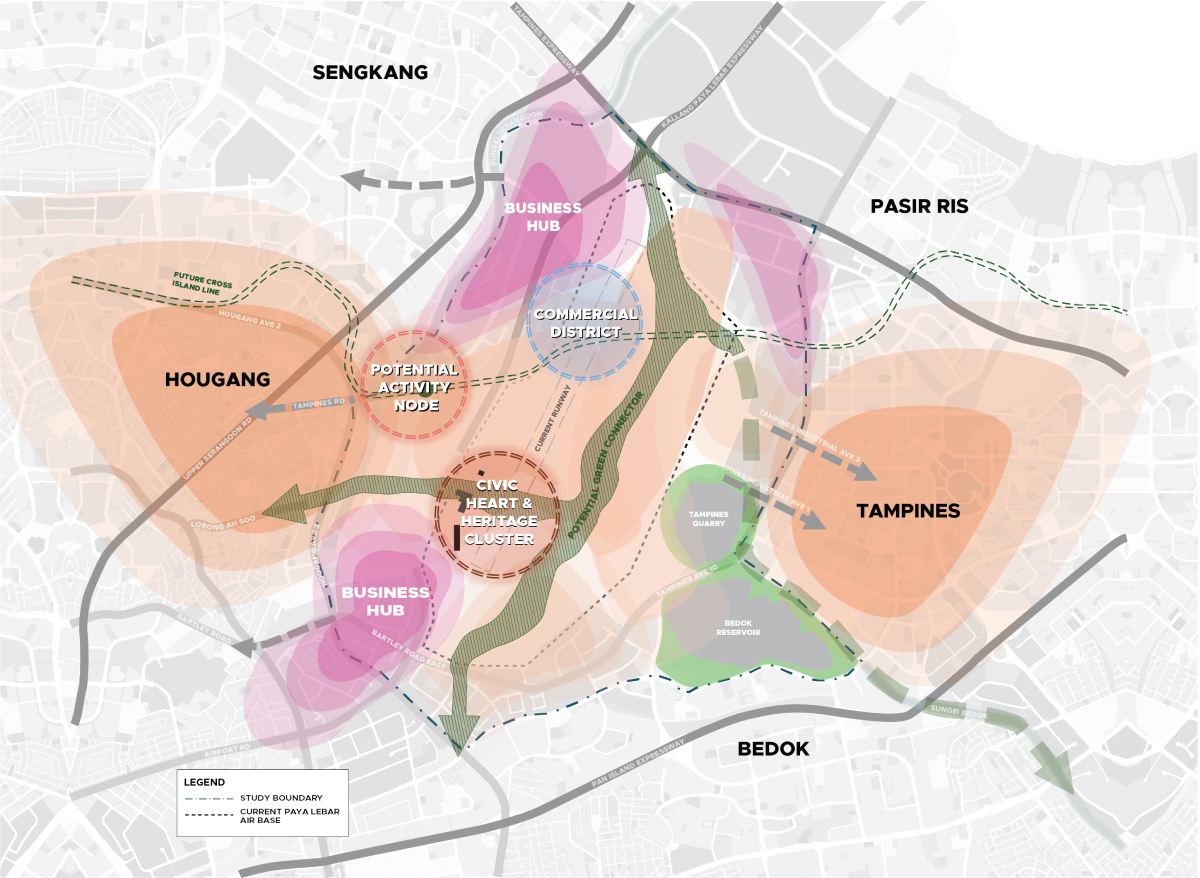
Over the next decade, Paya Lebar Air Base (PLAB) will be relocated from its current location in eastern Singapore, with a new township taking its place. This opens up 800ha of land for residential development where a future-ready housing estate will take root alongside brand-new offices and car-free commuter routes.
Presently, development linked to Paya Lebar Air Base (PLAB) has begun, with the first phase commencing at the adjoining Defu industrial estate in Hougang. Originally built in the 1970s to support small and medium-sized enterprises, Defu will be transformed into a ‘10-minute neighbourhood’, putting residents within walking or cycling distance of essential amenities.
Sembawang Shipyard
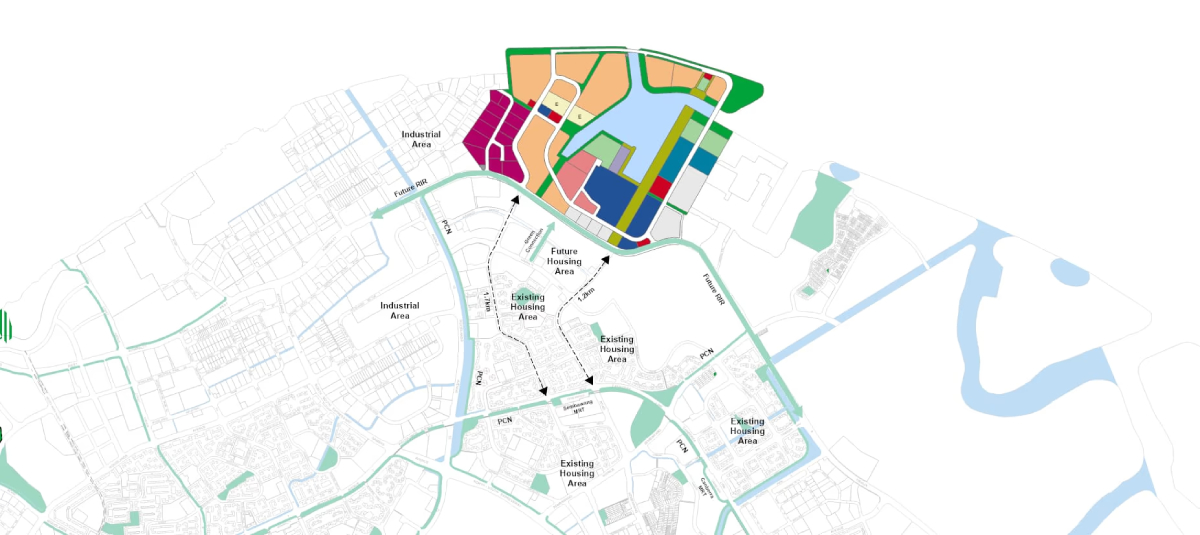
As part of broader efforts to reshape northern Singapore, the North Coast Innovation Corridor was announced in 2013 with the aim of establishing a new commercial belt stretching from Woodlands to Punggol. And with the release of the Draft Master Plan 2025, the redevelopment of Sembawang Shipyard into a housing estate marks the latest step of this ongoing transformation.
By 2028, shipping operations at Sembawang will cease, this will create space for a mixed-use waterfront district with maritime-themed housing estates as a nod to the town’s past.
Enabling sustainable growth with new business nodes
Since the early 1990s, Singapore has pursued a decentralisation strategy that aims to bring jobs further from the city centre and closer to homes.
Alongside the Draft Master Plan 2025, existing economic corridors in the North (North Coast Innovation Corridor), East (Changi Airport and Changi Business Park), and West (Jurong Lake District, Jurong Innovation District, and Tuas Port) will continue to grow as key employment and innovation hubs.
These established nodes will soon be complemented by Bishan in its new identity as a sub-regional centre, as well as the transformation of Jurong Bird Park and Jurong Hill into workplaces of the future.
Bishan sub-regional centre
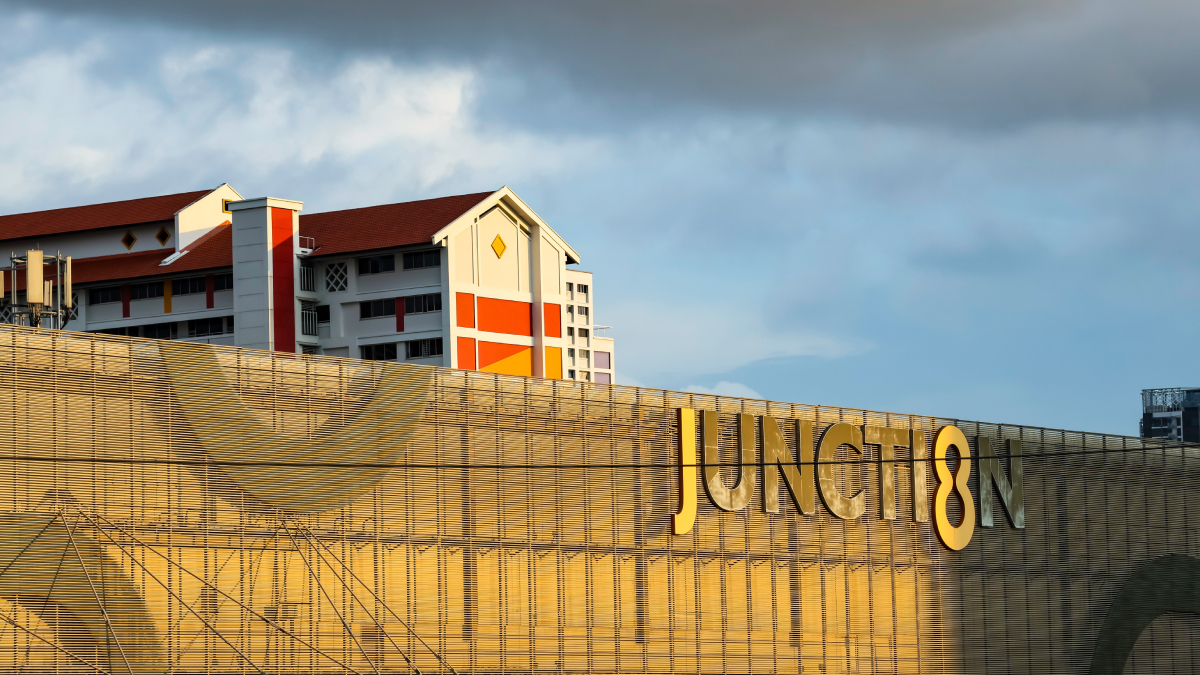
Since its establishment as a town centre in the early 1980s, Bishan has matured into one of Singapore’s most sought-after residential estates. This is mainly due to a combination of desirable characteristics: its central location, robust transport links, and access to quality amenities over the years.
Under the Draft Master Plan 2025, Bishan’s appeal is set to grow further with its redevelopment into a sub-regional centre where business opportunities and lifestyle offerings meet. New additions that have been revealed thus far include brand-new office towers, a polyclinic, as well as a pedestrian mall connecting future developments and facilities in Bishan. Likewise, a hawker centre and an air-conditioned bus interchange could be in Bishan’s future, with plans for these amenities currently under study.
Jurong Bird Park and Jurong Hill
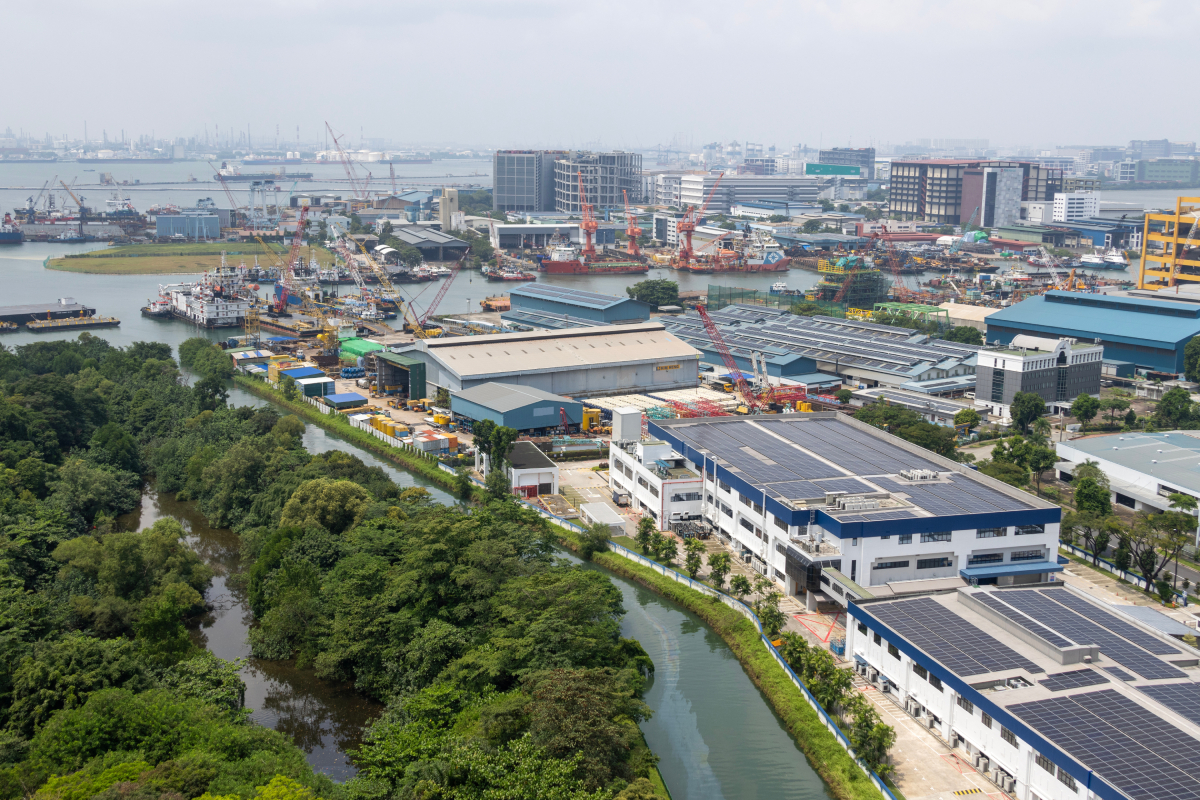
When the Jurong Lake District was first announced in 2017, it marked the start of Jurong’s journey to becoming Singapore’s Western Gateway. Now, this transformation continues with the Draft Master Plan 2025 unveiling plans for a new 39.2-hectare industrial estate on the former sites of Jurong Bird Park and Jurong Hill Park.
Laying the groundwork for this next chapter are the relocation of Jurong Bird Park in 2023 and the anticipated opening of the Jurong Region Line by 2029. Together, these developments will enhance capacity and connectivity, supporting new business activities at the upcoming industrial estate.
Safeguarding our environment, nature and heritage
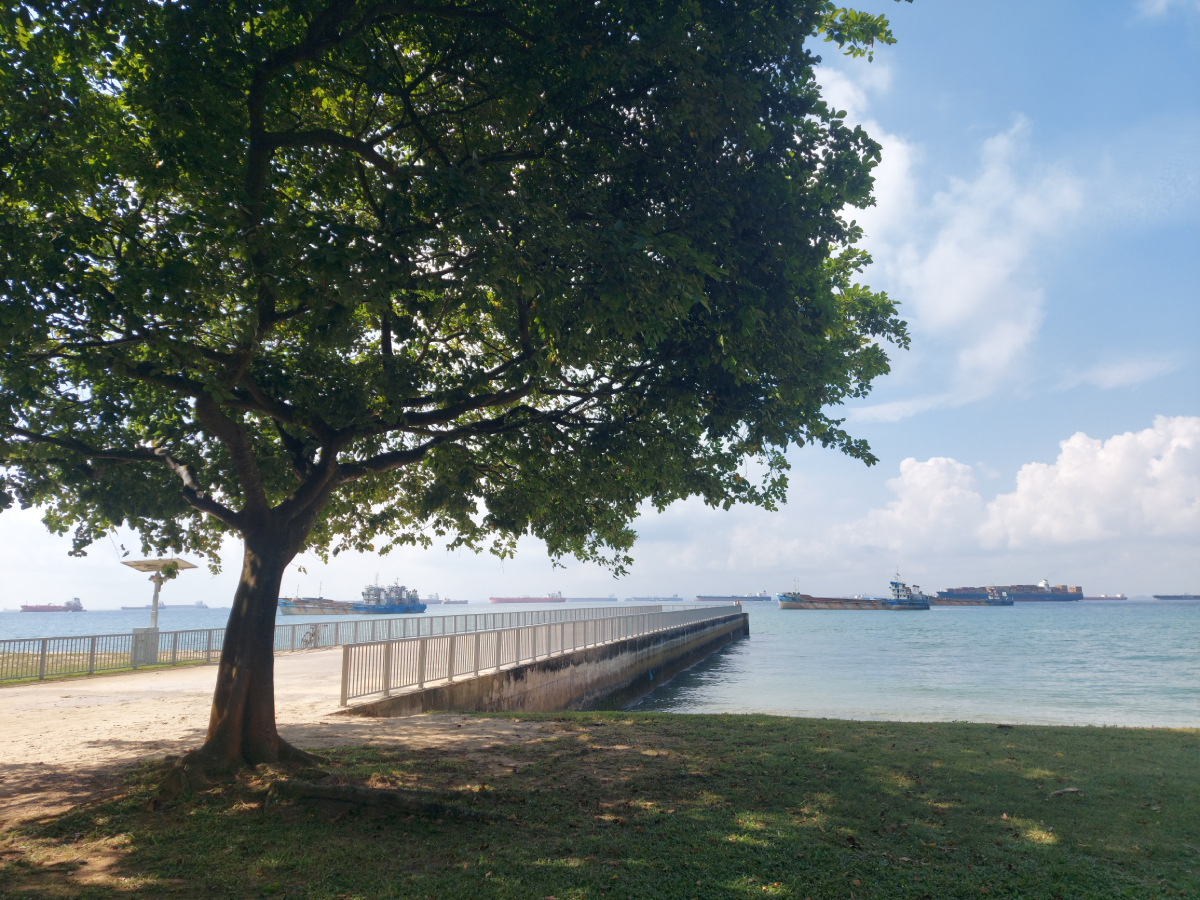
Though the Draft Master Plan 2025 primarily focuses on developing Singapore’s built environment, it also takes significant steps to strengthen protections for our environment, nature, and heritage. This balanced approach introduces several key initiatives to ensure sustainable growth, while also preserving the unique identity and biodiversity that define our nation:
- ‘Long Island’ Plan: Approximately 800 ha of land will be reclaimed off the East Coast; this will strengthen our flood resilience, while also creating a new reservoir and additional land for future development needs.
- Kranji Nature Corridor: Intended to strengthen ecological networks in the North, the Kranji Nature Corridor connects the Mandai Mangrove and Mudflat Nature Park with the Central Catchment Nature Reserve. This linkage will facilitate the safe passage of wildlife across these green spaces, hence contributing to the preservation efforts.
- Conservation of Heritage Buildings: Key historical structures are preserved as tangible reminders of Singapore’s foundational pillars in economy, housing, social development, and defence. Notable examples highlighted in the Draft Master Plan 2025 include the NatSteel Steel Pavilion, Pasir Panjang English School, and the Bukit Timah Turf City buildings.
- Establishment of New Identity Nodes: Under the Draft Master Plan 2025, three new identity nodes will be created at Siglap, Moonstone Lane Estate, and Newton. Together, they will serve as cultural focal points celebrating our local heritage and shared Singaporean identity.
- Further Possibilities with Underground Spaces: R&D efforts are underway to expand the use of Singapore’s underground real estate beyond current functions like storing construction materials at Gali Batu; this could free up more surface land for urban development in years to come.
Is Singapore ready for the future with URA’s Master Plan 2025?
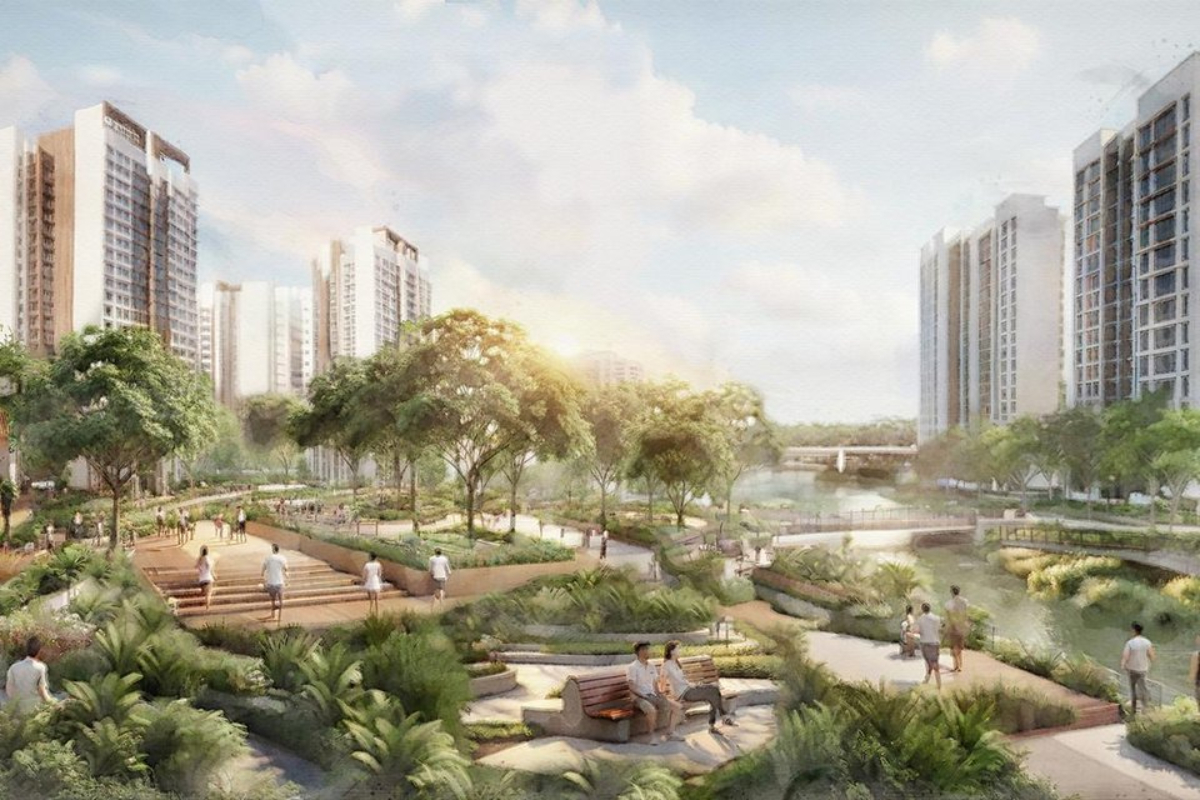
As Singapore turns 60 this year, our nation stands at a pivotal point where nurturing future growth must be balanced with preserving our roots. The Draft Master Plan 2025 reflects this reality as it lays the groundwork for future urban transformation across our island home, while also ensuring that Singapore remains a liveable city abundant in greenery and character.
So, to answer the question – Singapore is indeed ready for the future, but this readiness hinges on joint collaboration between our government, businesses, and fellow Singaporeans. This collectiveness will be vital for not just the finalised Master Plan 2025, but for every initiative that will drive Singapore forward over the next 60 years and beyond.
I confirm that I have read theprivacy policy and allow my information to be shared with this agent who may contact me later.
